Top Benefits of Using a Sunlight Lamp for Your Health in 2025
In 2025, the burgeoning awareness of mental health has led many individuals to seek effective, natural solutions for seasonal mood fluctuations and overall wellness. Among these remedies, the sunlight lamp has emerged as a pivotal tool in combating the effects of insufficient natural light exposure, particularly during the darker months. According to Dr. Emily Thompson, a renowned expert in phototherapy, "Using a sunlight lamp can significantly enhance mood and energy levels, providing a much-needed alternative for those who struggle with seasonal affective disorder."
The benefits of sunlight lamps extend beyond mere mood enhancement; they can also promote better sleep patterns and increase productivity. As individuals become more reliant on technology and indoor living, the lack of natural sunlight can lead to a host of health issues. The sunlight lamp mimics the natural rays of the sun, helping to regulate our circadian rhythms, and thereby encouraging a healthier daily routine.
Furthermore, studies have indicated that regular use of sunlight lamps can boost vitamin D levels and improve overall mental clarity. By harnessing the power of artificial sunlight, more people are finding relief from feelings of lethargy and disconnection, underscoring the vital role that these lamps may play in enhancing our health and well-being in the years to come.
Overview of Sunlight Lamps and Their Functionality
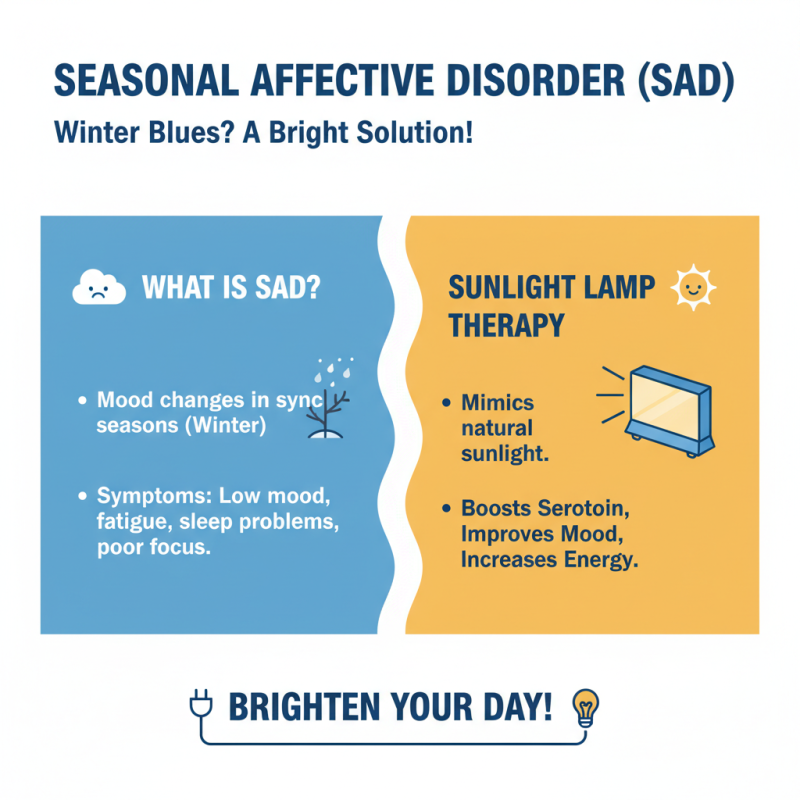
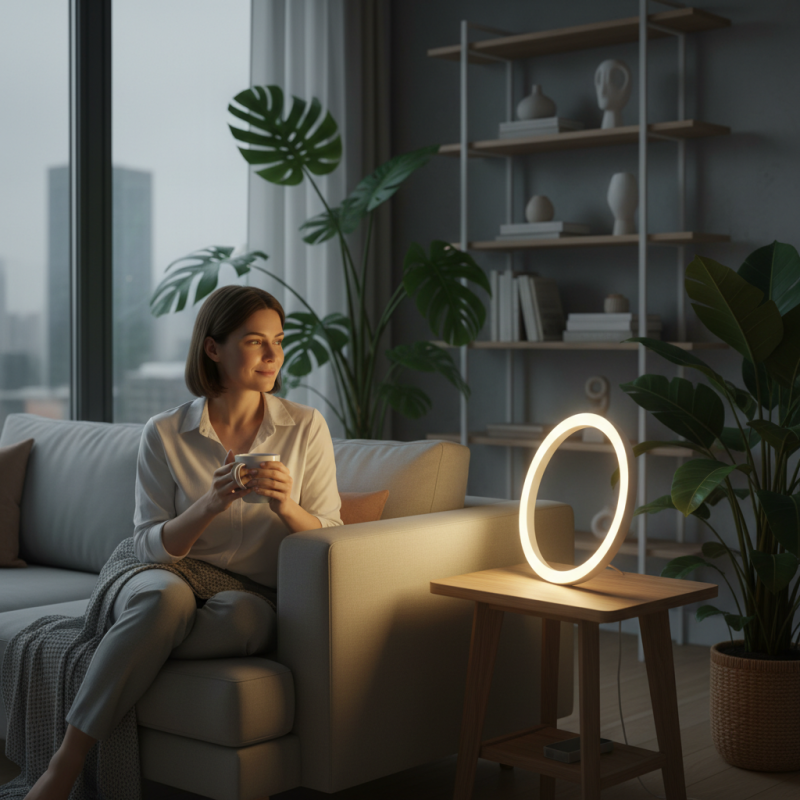
Sunlight lamps, also known as light therapy lamps, have gained popularity as a therapeutic tool for improving health and well-being. These lamps simulate natural sunlight by emitting bright light that mimics the sun's rays, providing a viable solution for those who suffer from seasonal affective disorder (SAD) and other mood-related issues. The primary functionality of a sunlight lamp is based on its ability to affect serotonin levels in the brain, which can significantly enhance mood and alleviate feelings of depression during darker months or in areas with limited sunlight.
In addition to mood enhancement, sunlight lamps can also contribute to physical health. Exposure to bright light from these lamps helps regulate circadian rhythms, supporting better sleep patterns and increasing overall energy levels. Furthermore, the use of sunlight lamps can encourage the production of vitamin D, which is essential for bone health and immune function. Many users report improved concentration and productivity, making sunlight lamps not just a tool for emotional health but also a means to boost overall wellness in daily life.
Top Benefits of Using a Sunlight Lamp for Your Health in 2025
| Benefit |
Description |
Scientific Support |
Recommended Usage |
| Improved Mood |
Sunlight lamps can help alleviate symptoms of Seasonal Affective Disorder (SAD) and enhance mood. |
Research shows that light therapy can significantly improve mood during winter months. |
30 minutes daily in the morning. |
| Enhanced Sleep |
Exposure to natural light patterns can help regulate sleep-wake cycles. |
Studies indicate that light exposure improves circadian rhythms. |
Use in the morning, avoid in the evening. |
| Increased Energy |
Sunlight lamps can boost energy levels and reduce fatigue. |
It's found that bright light can enhance alertness and performance. |
25-30 minutes during the day. |
| Vitamin D Production |
Sunlight lamps can aid in vitamin D synthesis, important for bone health. |
Lab studies confirm that UV exposure increases vitamin D levels. |
Short sessions a few times a week, ensuring no overexposure. |
| Reduced Stress |
Using a sunlight lamp can lower stress levels by promoting relaxation. |
Studies show a correlation between light exposure and lower cortisol levels. |
Incorporate during breaks throughout the day. |
Health Benefits of Sunlight Lamps for Mood Enhancement
In 2025, the use of sunlight lamps has become increasingly popular as more individuals recognize their potential health benefits, particularly for mood enhancement. These lamps simulate natural sunlight, providing a source of bright light that can help combat the winter blues and seasonal affective disorder (SAD). By mimicking the sun’s rays, sunlight lamps can significantly improve serotonin levels in the brain, a neurotransmitter closely associated with mood regulation. As a result, users often report feeling more energized and uplifted, creating a more positive outlook on life.
Moreover, sunlight lamps can be particularly beneficial for those who work indoors or live in areas with limited natural sunlight exposure. The lack of bright light can lead to feelings of lethargy and decreased motivation. Regular use of a sunlight lamp can help counter these effects, promoting not only improved mood but also better sleep patterns. Enhanced light exposure during the day can lead to increased alertness and productivity, showing that the benefits of these lamps extend beyond just emotional well-being. Adopting this practice can be a simple yet effective way for individuals to enhance their mental health and overall quality of life.
The Role of Sunlight Lamps in Managing Seasonal Affective Disorder
Seasonal Affective Disorder (SAD) is a type of depression that affects many individuals during specific seasons, particularly in the winter months when sunlight is scarce. A sunlight lamp, or light therapy box, has emerged as an effective tool in managing SAD by mimicking natural sunlight exposure. These lamps emit bright light that can help increase serotonin levels in the brain, improve mood, and alleviate the symptoms associated with this condition. By incorporating sunlight lamps into daily routines, users can experience a noticeable enhancement in their emotional well-being, particularly during the darker months of the year.
The mechanism behind sunlight lamps involves stimulating the eyes to send signals to the brain that can boost mood-regulating hormones. Regular use of a sunlight lamp for about 20-30 minutes each day can result in significant reductions in depressive symptoms. Additionally, these lamps are relatively easy to use and can be seamlessly integrated into morning routines, making them a practical choice for those struggling with the symptoms of SAD. By providing an alternative source of light, especially when access to natural sunlight is limited, sunlight lamps play a crucial role in enhancing overall mental health and ensuring a brighter outlook during challenging times.
Improving Sleep Patterns with Sunlight Lamp Usage
Using a sunlight lamp can significantly enhance
sleep quality and regulate sleep patterns, particularly
in individuals struggling with insomnia or irregular sleep schedules. These lamps simulate natural sunlight,
which helps to adjust the body’s internal clock, also known as the circadian rhythm.
Exposure to bright light in the morning can signal
to the body that it is time to wake up and be alert, while using the lamp in the evening
can help ease the transition into a more restful state, preparing the body for sleep.
Moreover, incorporating a sunlight lamp into a daily routine can address
seasonal affective disorder (SAD), a type of depression
that occurs at certain times of the year, often due to reduced sunlight exposure. By providing necessary light therapy,
a sunlight lamp can improve overall mood and enhance relaxation, making it easier for individuals to fall asleep at night.
This practice not only supports physical health but also promotes emotional well-being,
fostering a more balanced lifestyle by establishing consistent sleep patterns essential for optimal functioning.
Safety Considerations and Best Practices for Sunlight Lamp Use
When using a sunlight lamp, safety considerations should be prioritized to maximize benefits while minimizing risks. It is essential to choose a lamp that emits the correct type of light, typically bright white light with a color temperature between 5000K and 6500K. This range closely mimics natural sunlight and has been shown to effectively improve mood and alleviate symptoms of Seasonal Affective Disorder (SAD). Users should ensure that the lamp is certified for safety and has been tested for flicker, glare, and UV emissions to avoid potential eye strain or skin damage.
Best practices for using a sunlight lamp include proper positioning and duration of exposure. Ideally, the lamp should be placed at eye level and approximately 16-24 inches away from the user, ensuring that the light can reach the eyes without direct glare. For optimal results, individuals should start with 20-30 minutes of daily exposure in the morning, gradually increasing the duration while monitoring how their body reacts.
It is crucial to avoid using the lamp too late in the day, as exposure to bright light in the evening can interfere with sleep patterns. Listening to one's body and adjusting usage accordingly can enhance the overall efficacy and safety of sunlight lamp therapy.