Top 10 Benefits of Using an Artificial Sunlight Lamp?
The benefits of using an artificial sunlight lamp are becoming increasingly recognized in today's society. With about 5% of the U.S. population suffering from Seasonal Affective Disorder (SAD), many are turning to these lamps for relief. Research indicates that exposure to artificial sunlight can help improve mood, boost energy, and enhance overall well-being. Dr. Emily Carter, a leading expert in light therapy, states, "Artificial sunlight lamps can significantly change a person's quality of life, especially during dark months."
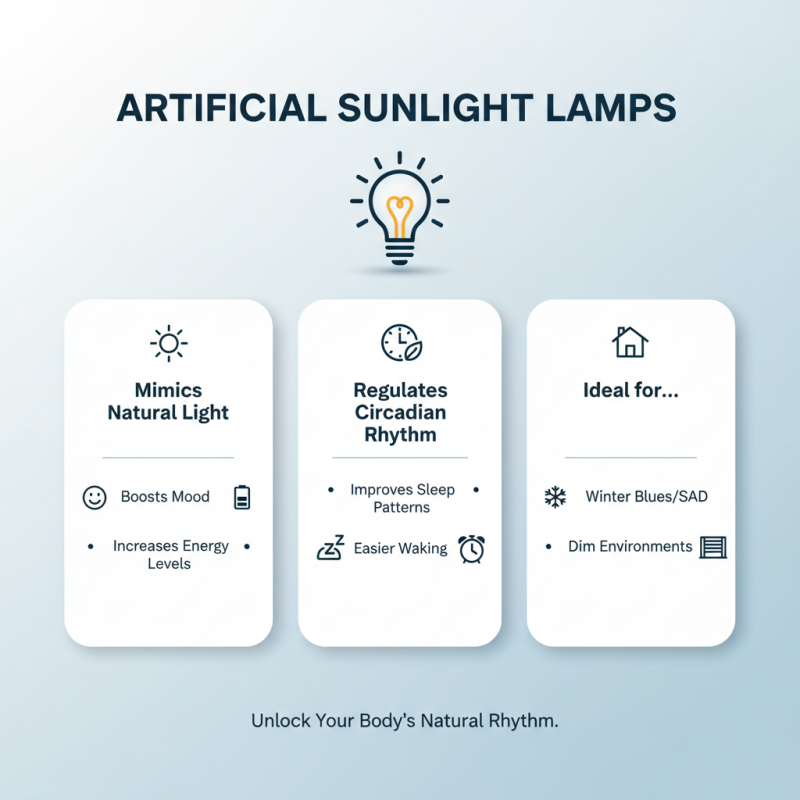
Many individuals experience feelings of fatigue during winter months. The lack of natural light can lead to sleep disturbances and decreased productivity. An artificial sunlight lamp mimics natural sunlight, addressing these shortcomings effectively. Studies have shown that regular use can improve sleep patterns by regulating circadian rhythms. However, it is important to choose the right lamp and use it properly to maximize benefits.
While artificial sunlight lamps offer remarkable benefits, they also have limitations. Not everyone feels the same level of improvement, and some may require different light intensities. The journey to finding the right solution may involve trial and error. Despite these challenges, the potential of artificial sunlight lamps remains promising for enhancing mood and vitality in our daily lives.
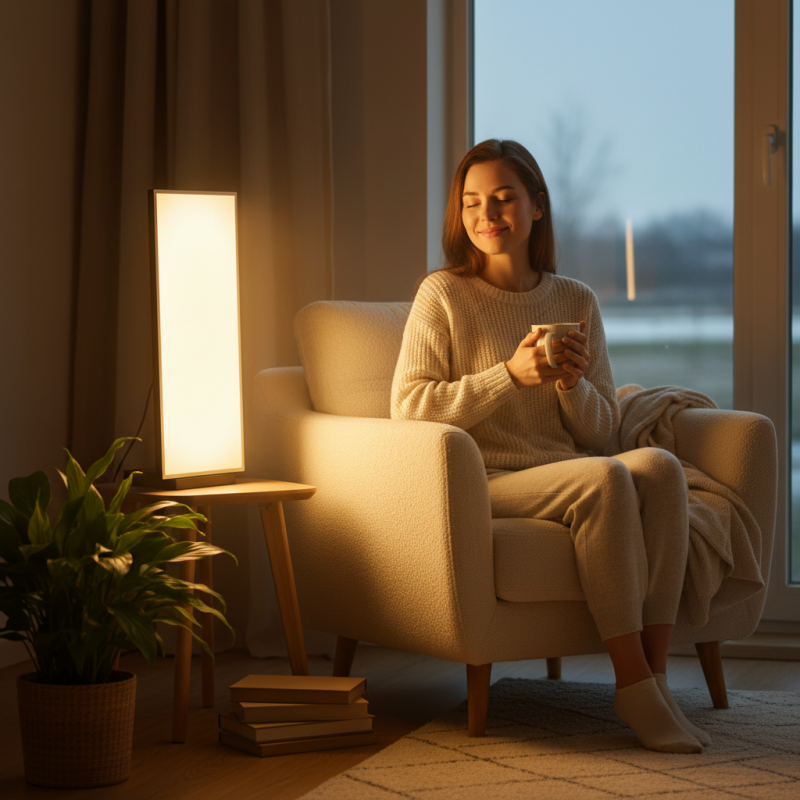
Understanding Artificial Sunlight Lamps and Their Purpose
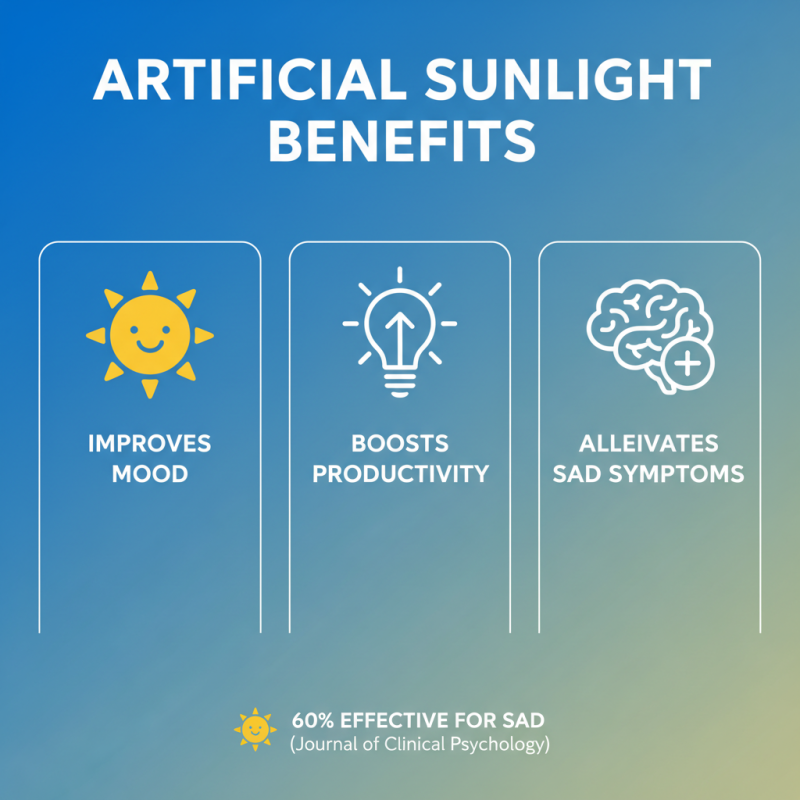
Artificial sunlight lamps are designed to mimic natural sunlight. They play a crucial role in improving mood and enhancing productivity. According to the Journal of Clinical Psychology, exposure to bright light can alleviate symptoms of Seasonal Affective Disorder (SAD) in nearly 60% of individuals. This data highlights the potential benefits of using artificial sunlight, especially during gloomy months.
Using these lamps can also boost Vitamin D levels. A study by the American Journal of Public Health found that around 42% of Americans are Vitamin D deficient. Artificial sunlight lamps can help bridge this gap, ensuring adequate levels of this essential nutrient, especially for those with limited outdoor access.
Additionally, these lamps can improve sleep quality. Research shows that exposure to bright light during the day can increase melatonin production at night. Many people struggle with sleep issues. Artificial sunlight may offer them a solution, improving their overall health and well-being. However, not all lamps are created equal. Some might not provide the necessary intensity or spectrum for optimal results.
Enhancing Mood and Reducing Seasonal Affective Disorder Symptoms
Dark days can lead to a low mood. Seasonal Affective Disorder (SAD) is a serious concern for many. A study by the National Institute of Mental Health found that about 5% of adults in the U.S. experience SAD. Many seek solutions to combat its effects. One effective method is using artificial sunlight lamps. These lamps simulate natural sunlight. They can enhance mood and may reduce the symptoms of SAD.
Using an artificial sunlight lamp for 20-30 minutes daily can lift your spirits. Light therapy is backed by research. The American Psychological Association cites its effectiveness in improving overall well-being. Many people report feeling more energetic and focused. A consistent light exposure can regulate circadian rhythms. This leads to better sleep patterns.
However, not everyone responds the same way, and adjustments may be necessary.
Tips: Choose a lamp specifically designed for light therapy. Look for one that mimics natural sunlight closely. Position the lamp at an angle that allows light to reach your eyes without staring directly at it. Always consult a healthcare professional if you have concerns about SAD or light therapy. Some people might experience headaches or eye strain when they first start. It’s crucial to find the right intensity and duration for your needs.
Promoting Vitamin D Production for Better Health
Artificial sunlight lamps can be a game changer for enhancing health. One major advantage is their ability to promote Vitamin D production. Vitamin D plays a critical role in maintaining bone health, immune function, and overall well-being. People often struggle to get adequate sunlight, especially during winter months. A quality lamp can simulate sunlight to help boost this essential vitamin in your body.
When using an artificial sunlight lamp, here are a couple of tips. Position the lamp at eye level for the best exposure. Aim to spend at least 15-30 minutes daily under the lamp to maximize benefits. It’s crucial to ensure sufficient distance from your skin to avoid discomfort. Remember, overuse may lead to skin irritation, prompting a reevaluation of the usage frequency.
Many people underestimate the impact of light on mood and energy levels. Some report improved focus and reduced fatigue after consistent use. However, it’s essential to listen to your body. If you feel more tired after use, adjust the time spent under the lamp. Finding the right balance can make all the difference in your experience.
Improving Sleep Patterns and Regulating Circadian Rhythms
Artificial sunlight lamps offer promising benefits for sleep patterns and circadian rhythms. These lamps mimic natural sunlight, providing light exposure that can positively affect mood and energy levels. Many people struggle with sleep issues, especially during winter or in dimly lit environments. A lack of natural light can confuse our internal clocks, making it hard to wake up or feel alert.
Using an artificial sunlight lamp in the morning can signal your body that it’s time to rise. This light exposure helps suppress melatonin, the hormone that promotes sleep. As a result, you may feel more awake and alert throughout the day. However, not everyone finds success immediately. Adjusting to a new routine can take time, and the effectiveness may vary from person to person. Some may still feel groggy after prolonged use, prompting a need for adjustments.
In the evening, it’s crucial to minimize exposure to bright lights. Too much light can delay sleep. Balancing exposure during the day and reducing it at night is essential. Reflection on individual habits can lead to better sleep management strategies, as artificial sunlight is only one part of the equation. Understanding one's own rhythms takes time. Experimenting with different settings or durations may lead to improved results.
Supporting Indoor Plant Growth and Home Aesthetics
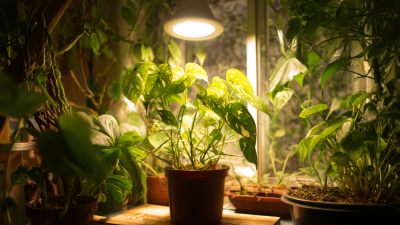
Indoor gardening has gained popularity. Many people desire greenery in their homes. However, natural sunlight isn’t always available. This is where artificial sunlight lamps come into play. These lamps can mimic the sun’s rays, providing essential light for plants. As a result, your indoor garden can flourish with vibrant colors and healthy leaves.
Using an artificial sunlight lamp boosts aesthetics significantly. Plants thrive under optimal lighting, creating an inviting atmosphere. Imagine lush greenery contrasting with modern decor. The visual appeal is undeniable. Furthermore, you can experiment with different plants. From delicate herbs to bold succulents, the choices are endless. Yet, issues may arise. Not every plant responds well. Some may grow too quickly, becoming leggy or unbalanced. Adjusting lamp height and intensity can be tricky.
Caring for indoor plants requires attention to detail. Lighting schedules must be consistent. Over or under-exposure can harm growth. Observing plant reactions is vital. Using these lamps can transform a dull room into a lively space. However, patience and flexibility are essential. Balancing aesthetics with plant health is an ongoing process.