Best LED Garden Lights at the 139th Canton Fair 2026?
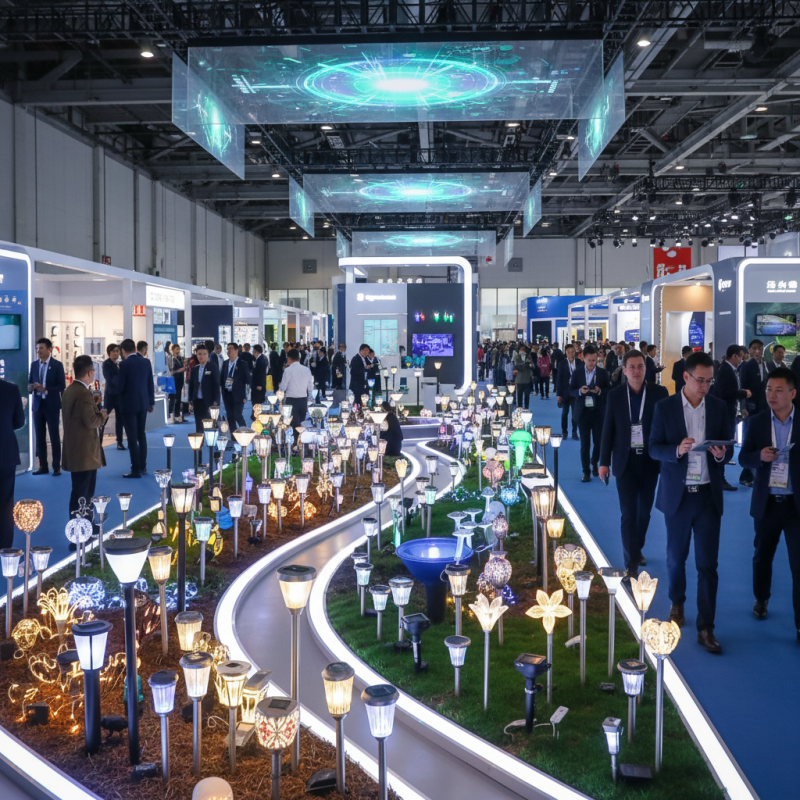
The 139th Canton Fair in 2026 presents a unique opportunity to explore innovative products like led garden lights. This year, the event spans from April 15 to May 5, focusing on various industries, including advanced manufacturing and home decoration. Among the exhibitors, companies specializing in LED garden lights showcase their latest designs, aiming to enhance outdoor spaces.
Purchasers will benefit from AI-driven search tools. These functionalities allow them to quickly find suppliers with relevant certifications, such as ISO and CE. For instance, buyers can navigate the vast 1.55 million square meters of exhibition space with greater efficiency. While the fair offers state-of-the-art lighting options, some may find that individual designs do not meet their specific needs.
Participants in the fair should approach the LED garden light market with a critical eye. The variety can be overwhelming, leading to decisions that might not align with long-term goals. Seeking out the best options requires diligence and thoughtful consideration of functionality and aesthetics. These factors should guide purchasing decisions, ensuring a well-informed selection.
The Evolution of LED Garden Lights in the Last Decade
Over the last decade, LED garden lights have undergone a remarkable transformation. Initially, these lights had limited designs and functionality. Today, they come in various styles, colors, and brightness levels. This variety allows homeowners to enhance their outdoor spaces beautifully. The energy efficiency of LED lights has also improved significantly. They consume less power while offering brighter illumination.
However, advancements in technology have not been without challenges. Many options can confuse consumers. Not all LED garden lights are created equal. Some do not last as long as advertised. Moreover, the materials used can impact durability and performance. It's essential to research before making a purchase.
As sustainability gains importance, eco-friendly options are becoming more common. Solar-powered LED lights are now popular. They require no wiring and use renewable energy. However, their performance can be inconsistent based on sunlight availability. Some users have reported underwhelming brightness on cloudy days. It's a reminder that even with progress, not every solution meets expectations.
Evolution of LED Garden Lights Over the Last Decade
This chart displays the increase in adoption of LED garden lights over a decade, showcasing advancements in energy efficiency, design appeal, and popularity among consumers.
Key Features and Innovations Showcased at the 139th Canton Fair
The 139th Canton Fair in 2026 showcased an impressive array of LED garden lights. Innovations in design and functionality stood out. Many models featured solar-powered options, enabling energy efficiency and ease of installation. These lights blend seamlessly into various outdoor aesthetics.
One notable trend was the use of smart technology. Some lights could be controlled via mobile apps. This feature allows users to adjust brightness and even set schedules. However, not all models offered user-friendly interfaces. It's essential to test these features before purchase.
When exploring the fair, pay attention to material quality. Many lights were made with durable, weather-resistant materials. This is crucial for longevity in outdoor settings. However, some displays showed wear and tear. Consider this when choosing lights for your garden.
Always check for brightness levels. Some lights appeared bright in the showroom but failed in real-world settings. A simple test can save you disappointment later. Look for customer reviews regarding performance to ensure you make an informed choice.
Market Trends: Growth Forecast for LED Garden Lighting Industry
The LED garden lighting industry is witnessing significant growth. According to a recent market forecast, the global market is expected to grow by 12% annually until 2030. Growing environmental awareness drives this trend. Homeowners increasingly seek energy-efficient lighting options for gardens and outdoor spaces.
As cities expand, outdoor lighting becomes essential. The demand for smart LED garden lights is on the rise. These lights offer features like motion sensors and remote control. They can reduce energy consumption. In contrast, some homeowners still struggle to find the right balance between aesthetics and functionality. Not all gardens have the same lighting needs, which can complicate selections.
Tips: When selecting LED garden lights, consider the size of your garden. Larger spaces may require more powerful lights. Also, pay attention to color temperature. Warmer tones create a cozy atmosphere. Focus on quality over cost; cheaper options often lead to disappointment. Remember, good lighting enhances safety and beauty.
Comparative Analysis of Top LED Garden Light Brands Presenting
As the 139th Canton Fair approaches, a spotlight shines on LED garden lights. Various brands are showcasing innovative designs and technologies that promise to enhance outdoor spaces. Some lights feature solar panels, while others rely on electrical outlets. This variety provides outdoor enthusiasts with options to fit their needs.
In a comparative analysis, certain designs prioritize brightness, while others focus on energy efficiency. Some products sport elaborate features, like color-changing abilities and motion sensors. But these advanced functions sometimes come at a higher price. Additionally, user reviews often highlight durability issues. Many customers seek longevity but find that some products fall short after just a few seasons.
Choosing the best garden lights can feel overwhelming. Many buyers weigh aesthetics against functionality. Some lights look stunning but lack the brightness needed for effective illumination. On the other hand, practical options may not always match the desired style. Users often reflect on their choices, wishing for more information before purchasing. Ultimately, the search for optimal LED garden lights remains a journey filled with considerations.
Sustainability and Energy Efficiency Standards in LED Lighting Solutions
As sustainability becomes a priority worldwide, LED garden lights are evolving rapidly. These lights are energy-efficient and reduce overall power consumption. When considering garden lighting options, it's important to focus on their environmental impact. A good LED solution should last longer, substituting traditional bulbs, which need replacing often.
Energy efficiency means lower bills. This encourages more households to switch over. However, not all products marketed as energy-efficient meet rigorous standards. Some may still waste energy, leading consumers to question their effectiveness. Choosing high-quality materials ensures durability and efficiency. It would be wise to verify certifications before making a decision.
Moreover, aesthetics play a role in garden design. While aiming for brightness, it's also crucial to balance energy use with visual appeal. Dark-sky compliance is another key factor, reducing light pollution while providing a beautiful nighttime ambiance. As trends in outdoor lighting continue to shift, a focus on sustainability should guide every choice made.
