When darker mornings affect mood, energy, or sleep, a sunlight lamp for depression may seem like a simple solution. However, choosing one requires more than comparing brightness and price. A proper light therapy box should provide clinically studied intensity, often around 10,000 lux, while filtering harmful ultraviolet light. It should also offer a broad, comfortable light field for daily use.
The wording can mislead. A sunlight lamp is not the same as a tanning lamp, household bulb, or decorative daylight lamp. Those products may look bright without providing suitable therapeutic exposure. Look for clear technical information, safety testing, manufacturer guidance, and realistic usage instructions. A lamp that causes glare, eye strain, or headaches is not automatically effective.
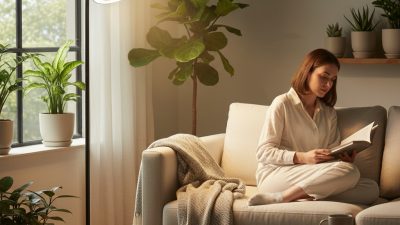
Personal context matters. Light therapy may help some people with seasonal depression, but results differ. People with bipolar disorder, eye conditions, or photosensitivity should speak with a qualified healthcare professional before starting. Certain medicines can also increase light sensitivity. Placement is important: the lamp usually sits beside the user, not directly in front of the eyes, while they read or eat. Morning use is commonly recommended, though timing should match professional advice.
A careful choice includes comfort, distance, timer controls, and return policies. It is easy to focus only on the 10,000-lux label. That is incomplete. Clinical evidence supports light therapy for specific conditions, but a lamp does not replace assessment, counseling, or prescribed treatment. This guide explains the key features, safety questions, and practical trade-offs involved in selecting a reliable sunlight lamp for depression. Expect some trial and adjustment. Habits rarely work perfectly on day one.
Light therapy may help regulate circadian rhythms and improve mood, especially with seasonal depression. The National Institute of Mental Health estimates that seasonal affective disorder affects about 5% of adults in the United States. Clinical guidance from the Canadian Network for Mood and Anxiety Treatments supports bright-light therapy as an option for seasonal depression. Evidence is less consistent for non-seasonal depression. That distinction matters.
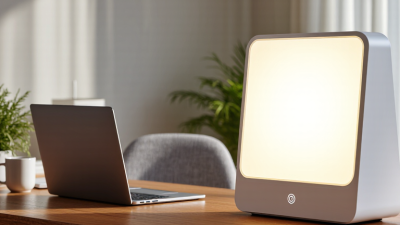
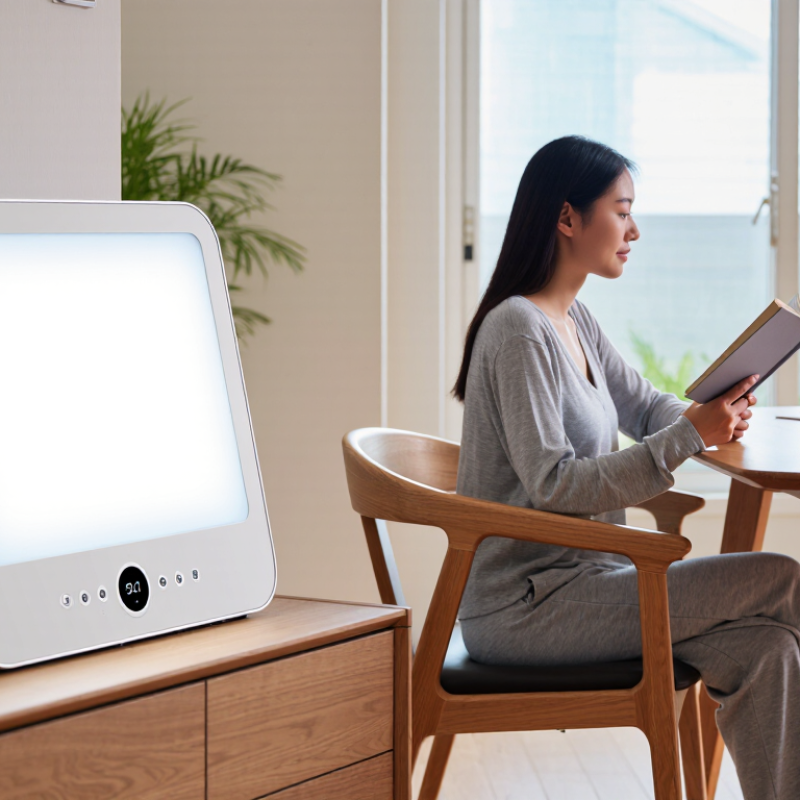
Choose a lamp delivering 10,000 lux at a practical sitting distance. It should filter ultraviolet light and provide clear safety instructions. A larger screen may reduce eye strain during a morning session. Place it beside your face, not directly in front of your eyes. Many clinical protocols use 20 to 30 minutes soon after waking, but personal responses differ. Keep a simple mood and sleep record. Small details can reveal whether the lamp helps or disrupts sleep.
Tips: Check the measured lux distance, not only the headline number. Avoid tanning lamps. Ask a psychiatrist before use if you have bipolar disorder, eye disease, or take photosensitizing medicine. Stop if you notice agitation, unusually little sleep, or eye discomfort. The Cochrane review on bright-light therapy for non-seasonal depression found uncertain benefits, so expectations should remain modest. I would not treat a lamp as a replacement for therapy or prescribed medication. That shortcut can be risky.
A sunlight lamp may help some people with seasonal depression, but it is not suitable for everyone. Speak with a qualified healthcare professional before buying one. This matters especially if you have bipolar disorder, eye disease, migraines, or a condition affected by bright light. Some medicines also increase light sensitivity. A clinician can review these risks and check whether depression needs other treatment.
Look for a lamp designed for light therapy, not a tanning device. It should provide bright, UV-free light, commonly around 10,000 lux. UV exposure can harm skin and eyes.
Sit at the recommended distance, usually near a desk, while keeping your eyes open indirectly. Do not stare into the panel. Morning use is often advised, but timing should match your sleep pattern and medical guidance.
Start with a manageable session and watch your response. Headaches, eye strain, agitation, or unusually reduced sleep deserve attention. Stop and seek advice if symptoms become intense.
A practical detail is easy to miss: measure the lamp’s brightness at your sitting distance, not only from its packaging.
I would also keep a simple daily note of mood, sleep, and side effects. The record may reveal benefits, but it may also expose assumptions that felt convincing at first. A lamp should support a care plan, not replace professional evaluation.
Choosing a sunlight lamp for depression starts with measured brightness, not appearance. A clinically studied light box often provides 10,000 lux at a stated distance. Check that distance carefully. A lamp producing 10,000 lux at 30 centimeters may be much weaker at arm’s length. Use a device with UV filtering, because ultraviolet exposure can harm skin and eyes. Brightness matters most when the lamp reaches your face indirectly, without forcing you to stare at it.
The light spectrum also deserves attention. Broad, bright white light is commonly used in seasonal depression treatment. Blue-enriched light may seem efficient, but it can disturb sleep and may create stronger eye discomfort. More blue is not automatically better. Look for clear technical information about spectrum, UV protection, and tested output. Marketing language can sound scientific while hiding missing measurements. That deserves skepticism.
Treatment settings should fit your daily rhythm. Many adults use morning sessions lasting about 20 to 30 minutes, but a clinician may recommend a different schedule. Sit at the suggested distance, keep your eyes open, and read or eat during treatment. Start with less time if headaches, agitation, or nausea appear. People with bipolar disorder, eye disease, or photosensitizing medication needs should seek medical advice first. The perfect setting rarely exists. Sleep, symptoms, and consistency may change the response, so record them honestly and adjust carefully with professional guidance.
Choosing a sunlight lamp for depression requires more than checking its brightness. Safety and daily usability matter just as much.
Look for a lamp that provides clinically studied brightness, often around 10,000 lux at a clearly stated distance. It should filter ultraviolet light and include stable, low-flicker illumination. A broad, evenly lit panel feels more comfortable than a harsh spotlight. Check for a timer, adjustable angle, and simple intensity controls. The power cable should feel secure, and the device should carry recognized electrical safety certification.
Distance changes everything. A lamp rated at 10,000 lux may require sitting 30 to 50 centimeters away. Measure this distance rather than guessing. Place it beside your morning coffee, not directly in front of your eyes. You can read or eat while using it, but avoid staring into the light. Start with a short session and follow the manufacturer’s instructions. Consistent use is usually more practical than occasional, exhausting sessions.
People with eye conditions, bipolar disorder, or light-sensitive medications should ask a qualified clinician before use. That step is easy to overlook. I would also keep a simple record of sleep, mood, and headaches during the first two weeks. If headaches, agitation, or unusual sleep changes appear, reduce use and seek professional advice. A lamp can support a treatment plan, but it should not replace medical care. Safety claims deserve verification, not blind trust.
| Evaluation Dimension | Recommended Specification or Target | Why It Matters | How to Verify Before Purchase | Priority |
|---|---|---|---|---|
| Light intensity | Approximately 10,000 lux at the stated operating distance, commonly around 30–60 cm depending on the design. | Adequate intensity is important because the effective dose depends on both brightness and exposure time. | Check whether the manufacturer states the lux level together with the measurement distance. A lux number without a distance is difficult to compare. | Essential |
| UV protection | UV-free output or a clearly documented UV-blocking diffuser and filter. | Ultraviolet exposure can irritate or damage the eyes and skin. Brightness should come from visible light rather than UV radiation. | Look for explicit UV-filtering information in the technical documentation. Avoid products that advertise tanning or UV output for light-therapy use. | Essential |
| Wavelength and spectrum | Broad-spectrum white visible light designed for light therapy; avoid relying on blue-light-only output unless specifically recommended by a clinician. | White light is commonly used in bright-light therapy, while excessive blue exposure may be uncomfortable for some users and can affect sleep timing. | Review the published spectrum or product documentation. Be cautious of vague claims such as “full spectrum” without safety or wavelength details. | Essential |
| Flicker control | Low-flicker or flicker-free operation across normal brightness settings. | Visible flicker may cause eyestrain, headaches, or discomfort, particularly during longer daily sessions. | Check for tested flicker specifications, such as percent flicker or flicker index. If no data are available, test the lamp at several brightness levels before extended use. | Essential |
| Glare and diffuser design | Evenly illuminated, diffused light with no exposed high-intensity LED points. | Reduced glare makes it easier to keep the lamp within the recommended field of view without staring directly into the light. | Inspect the diffuser for uniform illumination. Choose a model that can be positioned slightly to the side rather than requiring direct eye contact. | Essential |
| Brightness adjustment | At least two or three stable brightness levels, including a setting that can be used comfortably at the recommended distance. | Adjustability helps accommodate individual sensitivity and allows gradual adaptation to bright light. | Confirm that the lamp maintains consistent output after adjustment and that brightness controls are easy to operate. | Important |
| Timer and session control | Built-in timer with practical intervals, such as 15, 30, and 60 minutes, or a reliable automatic shutoff. | A timer supports consistent routines and reduces the risk of unintentionally extending exposure. | Check whether the timer is easy to see and whether the lamp switches off automatically at the selected time. | Important |
| Electrical and thermal safety | Stable base, insulated housing, protected power connection, and low surface heat during normal operation. | A lamp used daily should remain stable and comfortable near a desk, bedside table, or work area. | Look for clear electrical ratings, a sturdy stand, ventilation, and protection against tipping. Stop using the lamp if the housing, cable, or plug becomes unusually hot. | Essential |
| Independent safety testing | Recognized electrical and photobiological safety testing appropriate to the product’s sales region. | Third-party testing can provide evidence that the device meets applicable electrical and optical safety requirements. | Check the user manual and compliance documentation rather than relying only on marketing symbols or unverified online claims. | Essential |
| Recommended operating distance | A clearly stated distance that delivers the advertised lux level, with an easy-to-follow setup diagram. | Moving the lamp farther away can substantially reduce the light reaching the eyes, while placing it too close may increase glare and discomfort. | Confirm that the recommended distance is realistic for your desk or bedside setup and can be maintained consistently. | Essential |
| Daily usability and positioning | Adjustable angle or stand, sufficient light spread, and controls that can be reached without moving the lamp. | A convenient design increases the likelihood of using the lamp consistently while reading, eating, or working. | Assess whether the lamp can illuminate the face from the side without blocking a screen or causing reflections. | Important |
| Portability and storage | Lightweight construction and a compact footprint if the lamp must be moved or stored regularly. | Portability is useful when the preferred exposure location changes between home, work, and travel. | Check the total weight, folded dimensions, power-adapter size, and whether the stand remains stable after repeated setup. | Important |
| Maintenance and durability | Easy-to-clean diffuser, replaceable or long-life light source, and a clear warranty or service policy. | Dust and aging components can affect light output and reliability over time. | Review cleaning instructions, expected light-source life, warranty length, and availability of replacement parts. | Important |
| Eye and medical considerations | Use extra caution with eye disease, light sensitivity, migraine, bipolar disorder, or medications that increase photosensitivity. | Bright-light therapy may aggravate certain conditions or interact with some medicines. People with bipolar disorder may be at risk of mood elevation. | Consult a qualified healthcare professional before use when any of these factors apply. Discontinue use and seek advice if significant eye pain, severe headache, agitation, or unusual mood changes occur. | Essential |
| Evidence-based routine | Follow the device instructions or a clinician’s plan; many bright-light routines are scheduled in the morning rather than late evening. | Timing can influence sleep and circadian rhythms. A consistent schedule is generally more practical than irregular, prolonged exposure. | Record session time, duration, distance, comfort, sleep, and mood. Do not use the lamp as a replacement for professional assessment or prescribed treatment. | Essential |
How to Choose a Sunlight Lamp for Depression?
Choosing a sunlight lamp should begin with medical guidance, not appearance or price. Look for a UV-free lamp designed for bright-light therapy. Its instructions should state the light intensity and required distance clearly. Many clinical devices provide 10,000 lux at a specific distance. That number becomes meaningless if you sit too far away. Avoid tanning lamps or products without reliable safety information. A cheerful design is not enough.
Speak with a qualified healthcare professional before starting treatment. This matters especially if you have bipolar disorder, eye disease, or take medication that increases light sensitivity. Bright light can sometimes trigger agitation, mood elevation, headaches, or sleep problems. A clinician can help choose the timing and duration for your situation. Morning use is common, but it is not suitable for everyone. Keep your eyes open naturally, without staring directly at the lamp. Follow the device’s distance instructions carefully.
Use the lamp at a consistent time and record your sleep, mood, headaches, and energy. These simple notes can reveal changes that memory misses. A common mistake is assuming brighter or longer sessions will work faster. They may not. If you develop eye pain, severe headaches, unusual excitement, or much less need for sleep, stop and contact a healthcare professional. Light therapy may support depression care, but it should not replace prescribed treatment or urgent help. Even careful plans need adjustment.
Choose a lamp by the illuminance it delivers at the stated distance, not by bulb wattage. The chart shows commonly studied light-therapy combinations; actual treatment should follow medical guidance.
How to use this information: A medically supervised protocol often uses bright white light in the morning, with 10,000 lux commonly used for about 30 minutes. Lower-intensity devices generally require longer sessions. Check the measured lux at eye level, follow the device instructions, and ask a clinician first if you have bipolar disorder, eye disease, migraine sensitivity, or use photosensitizing medication.