
Why Choose a Long Sleeve Wedding Gown for Your Bridal Shop
Choosing a Long Sleeve Wedding Gown can give your bridal shop a stronger, more versatile collection. Brides often seek coverage, comfort, and graceful detail without sacrificing a modern silhouette. In the fitting room, sleeves can change the entire impression of a dress. Lace creates softness, while satin or crepe offers a cleaner, structured finish. A carefully fitted cuff can also make the gown feel polished rather than restrictive.
Details matter.
From my experience observing bridal appointments, long sleeves appeal to brides planning autumn, winter, and formal indoor weddings. They also attract customers who prefer modest styling or want additional support through the bodice and arms. However, fabric selection remains essential. Heavy sleeves may feel warm under bright venue lights, while delicate mesh can provide coverage without adding visual weight. Shops should examine stitching, lining, stretch, and finishing before recommending a gown.
No single style suits everyone. Some brides may feel limited by full coverage, especially in humid climates or outdoor ceremonies. That concern deserves an honest conversation. Bridal consultants can offer removable sleeves, illusion panels, or lighter fabrics as practical alternatives. These options help customers compare comfort with appearance rather than follow a passing trend. A thoughtful long sleeve range can build trust, encourage repeat referrals, and show professional understanding of real bridal needs. It may not transform every appointment, but it can make the collection feel more complete, considered, and reliable.
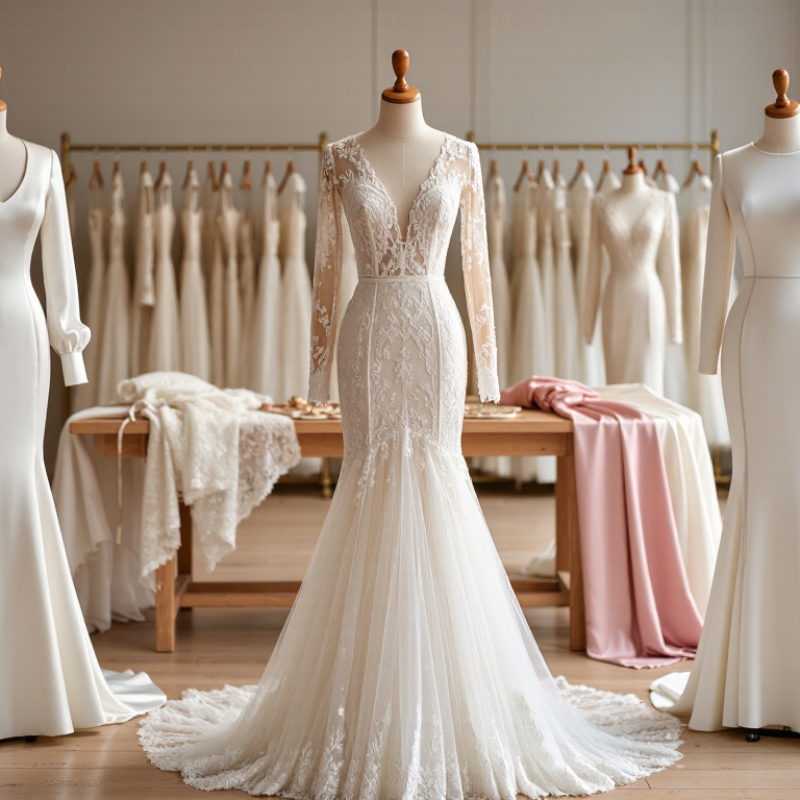
Define Long-Sleeve Gowns by Sleeve Type, Fabric, Silhouette, and Coverage
Why Choose a Long Sleeve Wedding Gown for Your Bridal Shop
For a bridal shop, long-sleeve gowns offer more than modest coverage. They also create clear styling options for different ceremonies, seasons, and client preferences. I have found that sleeve design often changes how a bride judges the entire gown. A fitted sleeve can sharpen a clean silhouette, while a bishop sleeve adds movement and softness.
Define each gown by sleeve type before discussing decoration. Sheer sleeves with floral appliqué provide visual coverage without feeling heavy. Crepe sleeves feel smooth and structured against the arm. Lace sleeves add texture, but their seams require careful inspection. Stretch mesh can improve comfort, especially during long fittings. It should still recover well after movement.
Silhouette matters just as much. A long sleeve on an A-line gown creates gentle balance and suits many body proportions. On a column gown, it supports a refined, narrow shape. A ball gown with fitted sleeves contrasts volume with control. Coverage also needs precise language. Full-coverage styles hide the arm completely, while illusion panels reveal skin subtly at the wrist or shoulder. Try both under fitting-room lights. A sleeve may look delicate in photographs but feel restrictive when the bride raises her arms. I once underestimated this detail in a buying decision. The gown looked elegant, yet its tight cuff discouraged natural movement. That mistake still influences how I assess comfort, fabric recovery, and seam placement.
Why Choose a Long Sleeve Wedding Gown for Your Bridal Shop
Define Long-Sleeve Gowns by Sleeve Type, Fabric, Silhouette, and Coverage
| Sleeve Type | Typical Fabric | Compatible Silhouette | Coverage Level | Key Characteristics | Best For | Seasonal Suitability | Bridal Shop Merchandising Value |
|---|---|---|---|---|---|---|---|
| Fitted Long Sleeve | Stretch lace, crepe, jersey, or illusion tulle | Sheath, column, fit-and-flare, or mermaid | Moderate to high; covers the arm from shoulder to wrist | Creates a streamlined appearance and follows the natural arm line. Stretch fabrics improve mobility and comfort. | Modern, minimalist, formal, or modest bridal styling | Autumn, winter, and cool spring ceremonies; breathable versions work indoors year-round | Provides a polished core style that can be offered in both classic and contemporary collections |
| Bishop Sleeve | Chiffon, georgette, organza, or lightweight tulle | A-line, empire waist, or relaxed sheath | High arm coverage with a fuller shape and gathered cuff | Voluminous from the elbow or upper arm and gathered at the wrist, creating soft movement | Bohemian, romantic, vintage-inspired, or relaxed ceremonies | Spring, autumn, and mild winter; lightweight fabrics may suit summer evenings | Adds visible fashion detail and movement, helping a shop create a distinctive boho or romantic edit |
| Bell Sleeve | Lace, chiffon, crepe, or embroidered tulle | A-line, fit-and-flare, or sheath | Moderate to high, depending on the neckline and cuff length | Flares outward toward the wrist or forearm, adding a dramatic and expressive finish | Fashion-forward, bohemian, retro, or outdoor bridal looks | Spring and autumn; open or lightweight sleeves can work for warm-weather events | Creates a strong visual statement and supports editorial displays or trend-focused collections |
| Off-the-Shoulder Sleeve | Lace, satin, crepe, tulle, or structured mikado | Ball gown, A-line, fit-and-flare, or mermaid | Full arm coverage with exposed shoulders and upper neckline | Balances romantic shoulder exposure with long sleeves and often includes an elastic or structured neckline support | Classic, romantic, formal, or glamorous bridal styling | Suitable for most seasons; heavier fabrics are ideal for cooler weather | Offers a versatile balance between coverage and femininity, appealing to a broad range of shoppers |
| Illusion Sleeve | Sheer tulle, mesh, or lace appliqué over a fine net base | Any silhouette, especially sheath, A-line, and ball gown | Visually high coverage with a lightweight, semi-transparent effect | Creates the appearance of lace or embellishment resting directly on the skin while maintaining a delicate look | Brides seeking modesty, intricate detail, or a barely-there aesthetic | Year-round; sheer construction is generally more comfortable indoors or in mild temperatures | Provides a high-detail option without adding substantial fabric weight |
| Juliet Sleeve | Lace, tulle, chiffon, or lightweight satin | A-line, empire waist, sheath, or vintage-inspired ball gown | Moderate to high, commonly with a fitted upper arm and fuller lower sleeve | Combines a fitted upper sleeve with gathered fullness below the elbow, often ending in a cuff | Vintage, romantic, medieval-inspired, or countryside ceremonies | Autumn, winter, and spring; fabric weight determines warm-weather comfort | Introduces historical character and helps diversify a sleeve assortment beyond standard fitted styles |
| Three-Quarter Sleeve | Lace, crepe, satin, stretch jersey, or embroidered tulle | Sheath, column, A-line, or tea-length dress | Moderate; typically ends between the elbow and lower forearm | Provides arm coverage while leaving the wrist visible, creating a practical and balanced proportion | Classic, practical, mature, or modest bridal styling | Versatile across spring, autumn, and indoor ceremonies in any season | A commercially versatile length that can suit multiple body proportions and ceremony settings |
| Detachable Long Sleeve | Lace, tulle, chiffon, satin, or stretch mesh | Most silhouettes, especially strapless, sleeveless, and corset gowns | Adjustable; can change from low coverage to full arm coverage | Allows the bride to alter the appearance of the gown for the ceremony, reception, or changing temperatures | Brides seeking two looks, flexible styling, or additional modesty | Year-round, particularly useful for weddings with indoor and outdoor portions | Increases styling flexibility and can support an elevated average order value through coordinated accessories |
Why include long-sleeve gowns in a bridal assortment? Long sleeves can provide warmth, modesty, styling versatility, and visual detail while supporting a wide range of silhouettes and ceremony settings. Offering different sleeve constructions allows a bridal shop to serve classic, modern, romantic, bohemian, and fashion-forward preferences within one category.