How to Choose the Best Eave Lighting for Your Home?
Choosing the right Eave Lighting can significantly enhance your home’s exterior. Eave lighting not only serves a practical purpose but also adds charm to your property. With various styles and types available, it can be challenging to make a decision.
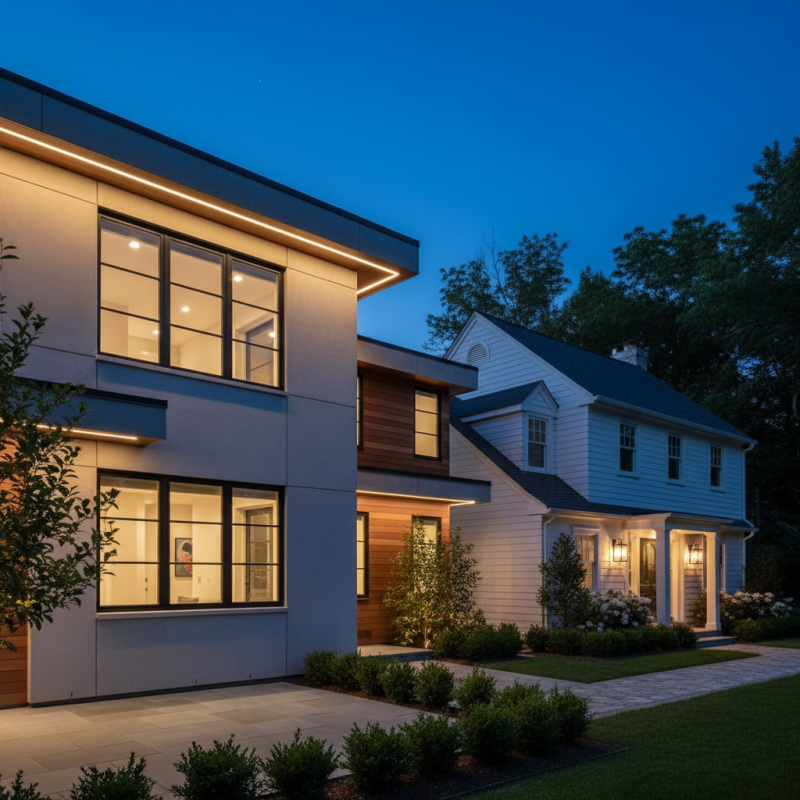
Think about your home’s architecture and surroundings. For instance, modern homes might benefit from sleek, minimalist fixtures. In contrast, traditional homes could shine with ornate designs. The brightness level is essential too. You want enough light for safety without overwhelming your neighbors.
Consider the mood you want to create. Soft, warm light can welcome guests, while bright white light ensures visibility. It’s also important to think about installation and maintenance. Some fixtures may require more attention than others. Reflecting on these aspects helps you choose wisely. Eave lighting can transform your home; make your choice count.
Understanding the Importance of Eave Lighting for Your Home
Eave lighting plays a crucial role in enhancing the overall aesthetics of your home. It sets the mood and creates inviting entrance spaces. Properly designed eave lighting can highlight architectural features, adding depth and character to your home’s exterior. Imagine warm lights casting gentle shadows, creating a cozy feel. Without adequate lighting, your home may look uninviting at night.
Safety is another important aspect of eave lighting. Well-lit eaves can deter unwanted visitors. This can enhance your family's security as they approach the front door. However, it's essential to place lights where they are effective but avoid glare. Too much brightness can create discomfort instead of safety. You may notice that some spots are still dark even after installing lights. This calls for adjustments and reflections on your placement decisions.
Moreover, energy efficiency should not be overlooked. Choosing the right fixtures can lead to significant savings. Consider LED options that provide ample brightness without consuming too much energy. However, many homeowners struggle with balance, wanting beauty without high electric bills. Finding that sweet spot can be challenging, but it's worth the effort. Think about both style and function to enhance your home's charm.
Types of Eave Lighting Fixtures: Pros and Cons
Eave lighting enhances your home's exterior while providing security and ambiance. Various types of fixtures are available, and each has its own strengths and weaknesses. For example, LED strip lights are popular due to their energy efficiency. They can also be cut to fit specific spaces. However, they may not provide enough brightness for larger areas.
Wall-mounted sconces offer a stylish option with a wide range of designs. They can create a warm glow under eaves. Yet, they require proper placement to avoid shadows. If positioned incorrectly, they can obscure the beauty of your home’s architecture.
String lights are a charming choice for a festive feel. They are easy to install and inexpensive. But they can be fragile and may need frequent replacements. Additionally, their aesthetics might not suit every home style. Choosing the right eave lighting involves weighing these pros and cons carefully to meet your needs.
Factors to Consider When Choosing Eave Lighting
Selecting the right eave lighting for your home involves multiple factors. Start by considering the brightness you need. Do you want a cozy glow or bright illumination? Think about the areas you want to light up. This will help you decide the type of fixtures to choose.
Then, consider the style of your home. Modern homes may benefit from sleek designs. Traditional homes might require more ornate fixtures. It's vital that the lighting complements the architectural style. Additionally, factor in the color temperature. Warmer tones create an inviting atmosphere, while cooler tones can be more energizing.
Tips: Measure the space before purchasing. Ensure the lights are at the right height. This will enhance both functionality and safety. Also, reflect on energy efficiency. LED options can save on electricity bills. Don't forget to evaluate your local climate. Weather-resistant fixtures are crucial for durability. If you choose less durable options, you may find yourself replacing them more often.
Energy Efficiency and Sustainability in Eave Lighting
When selecting eave lighting for your home, energy efficiency and sustainability should guide your choices. LED lights are a popular option. They consume less energy and last much longer than traditional bulbs. This means lower electricity bills and a reduced carbon footprint.
Consider incorporating smart lighting systems. These systems allow you to control lights remotely. You can set schedules, ensuring lights are off when not needed. This minor adjustment can lead to significant energy savings over time.
**Tips:** Always check for energy ratings. Look for fixtures designed to optimize energy use. Even small changes in your lighting can bring big savings. Regularly maintain your lights to ensure they operate efficiently. This might seem tedious, but it's worth the effort. Exploring solar-powered options can align with a sustainable approach. However, their effectiveness depends on sunlight exposure. Balancing aesthetics and function is also a challenge. Ultimately, investing in energy-efficient eave lighting reflects a commitment to a sustainable future.
How to Choose the Best Eave Lighting for Your Home?
| Lighting Type | Energy Efficiency (lumens/watt) | Lifespan (hours) | Initial Cost ($) | Sustainability Rating |
| LED | 80-100 | 25,000 | 10-30 | Excellent |
| CFL | 55-75 | 10,000 | 5-15 | Good |
| Halogen | 15-25 | 2,000 | 5-10 | Fair |
| Incandescent | 10-15 | 1,000 | 1-5 | Poor |
Installation and Maintenance Tips for Eave Lighting
When installing eave lighting, it's crucial to plan carefully. Consider the layout of your home and where lights will be most effective. Research shows that well-lit eaves can improve home security by up to 40%. Proper placement ensures that light reaches darker areas without creating harsh contrasts.
Maintenance is often overlooked. Regularly check the fixtures for dirt and debris, as buildup can reduce brightness. According to industry studies, homes with neglected lighting maintenance lose about 30% of their lighting efficiency over time. Replacing burnt-out bulbs promptly ensures consistent illumination. Aim for LED options, which last longer and require less frequent changes.
Consider the climate factors in your area. Humidity and temperature fluctuations can affect outdoor fixtures. Make sure they're rated for such conditions to avoid premature wear. Frequent inspections are essential. Homeowners might neglect this part, but even a small fault can lead to larger issues later. Balancing aesthetics with functionality is key, but it takes effort to maintain.