
How to Choose the Best Flower Scented Candles
Choosing Flower Scented Candles is less about finding a universally “best” fragrance and more about matching scent, strength, and candle quality to your space. A rose candle may feel soft and powdery in one room, yet overly sweet in another. Jasmine, gardenia, lavender, and fresh-flower blends can also shift noticeably once warmed. The label offers clues, not guarantees.
Start by considering where the candle will burn and how you want the room to feel. A light floral note may suit a bedroom or small reading nook, while a larger living area might need a candle with stronger fragrance throw. Check the ingredient and care details, including wax type, burn-time guidance, and wick-trimming instructions. These practical points matter as much as the scent name. Small details matter.
Pay attention to how the fragrance is described: clean, green, powdery, or sweet can help narrow your choices. If possible, sample a candle before buying, since fragrance perception varies and online descriptions cannot fully capture it. A well-made candle should burn steadily when used according to its instructions, though performance also depends on room conditions and care. Even careful selection is not an exact science. Sometimes a scent that seems perfect in the jar feels different when lit. This guide will help you compare floral notes, candle construction, and everyday use so your choice feels considered, not just pretty on a shelf.
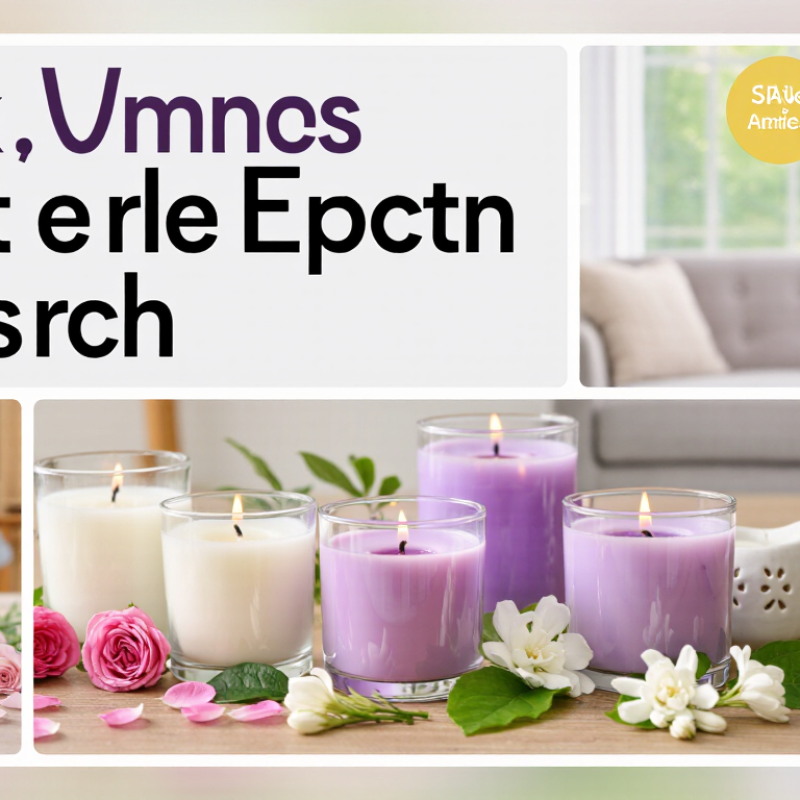
Understand Floral Scent Profiles and Their Characteristics
Floral candles do not all smell sweet in the same way. Rose often feels rounded and softly powdery, while jasmine tends to be creamy, warm, and more noticeable across a room. Lavender brings a drier, herbal edge. It can smell calming, but not always delicate. That distinction matters.
For a lighter impression, look for peony or lily notes, which are often airy and fresh. Gardenia is usually richer, with a lush, almost buttery quality. Neroli combines white-flower softness with a bright citrus lift. Fragrance descriptions can vary between makers, though, so treat them as clues rather than guarantees. A candle labeled “rose” may lean green, powdery, or fruity.
The scent also changes as the candle burns. A floral note that seems faint before lighting may become fuller when the wax warms; room size, airflow, and wick performance can affect what you notice. Try a smaller candle first, and give the fragrance time to settle instead of judging it immediately. I still find that some florals feel lovely in a shop but too strong beside a reading chair. Your own space is the better test.
How to Choose the Best Flower Scented Candles - Understand Floral Scent Profiles and Their Characteristics
| Floral Profile | Typical Scent Character | Perceived Intensity | Good For | Common Complementary Notes | Choosing Tip |
|---|---|---|---|---|---|
| Rose | Soft to rich floral, often rosy-sweet with fresh, green, or lightly spicy facets. | Medium to strong | Bedrooms, living rooms, and classic floral settings | Geranium, citrus, musk, woods, or vanilla | Choose a fresh, green-leaning profile for a lighter feel; richer rose accords tend to feel more formal and enveloping. |
| Jasmine | Sweet, lush, and warm; some jasmine profiles have an animalic or indolic facet that can smell especially heady. | Strong | Evening use and larger, well-ventilated rooms | Citrus, tea, sandalwood, or soft musk | If you prefer a less intense scent, look for jasmine balanced with citrus or green notes. |
| Lavender | Herbal, aromatic, and floral, with a clean, gently camphoraceous edge in some profiles. | Medium | Bedrooms, bathrooms, and quiet relaxation routines | Rosemary, bergamot, cedar, or vanilla | For a more floral impression, choose a blend that emphasizes lavender petals over sharp herbal notes. |
| Gardenia | Creamy, rich white-floral character, often with a sweet, smooth impression. | Strong | Living rooms and occasions when a noticeable floral scent is wanted | Citrus, green leaves, jasmine, or sandalwood | Try a smaller candle or a lighter blend first if you are sensitive to strong white florals. |
| Tuberose | Intensely floral, creamy, and sometimes sweet or slightly earthy; commonly perceived as a bold white floral. | Strong | Large rooms and evening settings | Orange blossom, spice, green notes, or woods | Look for a blend with fresh or woody notes if you want to soften its opulent character. |
| Lily of the Valley | Fresh, delicate, and green-floral, with a clean springlike impression. | Light to medium | Small rooms, daytime use, and subtle scent preferences | Green leaves, rose, citrus, or light musk | Check the candle description for a fresh or dewy profile rather than a sweet, heavier floral blend. |
| Orange Blossom | Floral sweetness combined with bright, citrus-like freshness; can also have a soft honeyed quality. | Medium | Kitchens, entryways, and bright daytime spaces | Bergamot, neroli-style notes, honey, or light woods | Choose a citrus-forward blend for a crisp feel or a honeyed blend for a warmer, softer effect. |
| Peony | Airy, soft floral character, often presented with rosy, fresh, or gently fruity facets. | Light to medium | Bedrooms, small spaces, and understated floral settings | Rose, pear, green notes, or clean musk | Peony is often recreated as a fragrance accord in candles, so compare descriptions and samples when possible. |
Scent descriptions and perceived strength are general guides: the finished aroma varies with the fragrance blend, wax, wick, room size, and burn conditions. Many floral candle scents are fragrance accords rather than scents made solely from flower extracts.