How to Choose the Best Natural Lamp for Your Space?
When selecting a natural lamp for your space, understanding the nuances is vital. Natural lamps, which harness the beauty of organic materials and energy-efficient lighting, have risen in popularity. According to a report by the Lighting Research Center, incorporating natural lighting solutions can improve mood and productivity by over 30%. This data underscores the importance of choosing the right lamp that aligns with both style and function.
Expert Anne Williams, a recognized authority in sustainable design, emphasizes that “the right natural lamp can transform an environment, enhancing both aesthetics and well-being.” Her insight reflects the growing trend in home decor for environmentally-friendly, visually appealing options. As consumers become more knowledgeable, the demand for quality natural lamps surges, leading to more choices in shapes, materials, and functionalities.
Finding the best natural lamp may not be straightforward. It requires consideration of the space, light intensity, and design synergy. Additionally, one must balance personal style against the lamp's purpose. Small details can easily make or break the selection process, leading to a space that feels either harmonious or chaotic. It's essential to reflect on these factors while making a choice that ultimately feels right for your environment.
Understanding Natural Lamps and Their Benefits
Natural lamps have gained popularity for their health and environmental benefits. These lamps, typically made from salt crystals or natural materials, can help improve indoor air quality. According to studies, natural lamps can reduce allergens and pollutants in the air by releasing negative ions. This can lead to a more comfortable living space.
The soft, warm light emitted by natural lamps also promotes relaxation. A study published in the Journal of Environmental Psychology found that warm light can influence mood and reduce stress. In environments where harsh lighting prevails, switching to natural lamps may lead to greater comfort. This adjustment can significantly enhance productivity and well-being at home or in the office.
Consider these factors when choosing a natural lamp. Ensure that the lamp's size suits your space; a large lamp in a tiny room can feel overwhelming. Look for lamps with good reviews that highlight their effectiveness. It’s also important to think about your color preferences, as the hue of the lamp can impact the ambiance significantly.
Identifying Your Space's Lighting Needs
When selecting a natural lamp, understanding your space's lighting needs is key. Different rooms require different lighting. For instance, a cozy reading nook benefits from soft, warm light. In contrast, a workspace thrives under bright and clear light. Think about the activities you do most often in each area. Does the room feel too dim or overly bright?
Consider the natural light already present in your space. South-facing rooms gain more sunlight, so they may need less artificial light. However, north-facing rooms may require brighter lamps to compensate for the lack of sunlight. If your space feels gloomy, reflect on the arrangement of your furniture and décor. Dark colors absorb light and can make a room feel smaller.
Think about the size of your lamp. A massive lamp can overwhelm a small desk, while a tiny one may get lost in a large room. The style of the lamp also matters. Natural materials bring warmth and comfort into the space. Whether it’s wood, stone, or natural fibers, ensure the lamp aligns with your room’s aesthetics. Choosing the right lamp is about balance. Find a mix that enhances your space while meeting your lighting needs.
Natural Lamp Brightness Levels by Space Type
Exploring Different Types of Natural Lamps
When exploring natural lamps, several types come to mind. Each type offers unique benefits and aesthetics.
Salt lamps, for instance, are known for their calming glow. They can purify air, which may help those with allergies. A study from the Journal of Environmental Health reported that such lamps can reduce indoor airborne particles by nearly 80%.
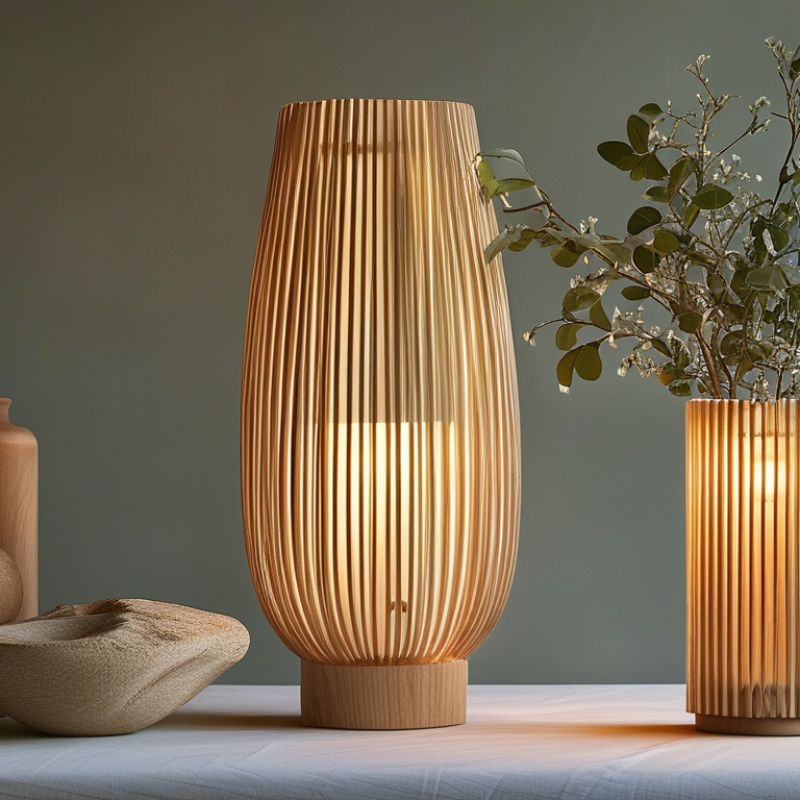
Another popular option is bamboo lamps. These are highly sustainable and provide a warm, ambient light.
They can suit both modern and traditional interiors, thanks to various designs available. Research shows that incorporating natural materials like bamboo can reduce stress and enhance well-being.
For an effective choice, consider your space’s size and lighting needs. A small room may benefit from a compact salt lamp. In contrast, larger spaces might require bigger fixtures. Think about colors. Warm hues promote relaxation, while brighter options can energize a space.
Consider dimmable features. They offer flexibility, allowing you to adjust light intensity. This control can change a room's atmosphere.
Natural lamps are not just stylish; they can support mental health. Ensure the lamp you choose aligns with your personal needs and enhances your living space.
Evaluating Materials and Aesthetic Considerations
Choosing the right natural lamp involves careful consideration of materials and aesthetics. Many lamps feature wood, bamboo, or stone. Each material influences the overall look and feel of your space. Wood brings warmth, while stone adds a touch of sophistication. Bamboo is lightweight and offers an organic feel. A natural lamp made from reclaimed materials not only provides style but also tells a story.
Aesthetic elements play a crucial role. The texture, color, and design should complement your existing decor. For example, a rough-hewn wooden lamp might juxtapose beautifully against sleek modern furniture. On the other hand, a minimalist stone lamp can enhance a cozy, rustic environment. Consider the ambiance you want to create. Warm light can create intimacy, while cool light fosters a calm atmosphere.
It’s worth noting that personal taste varies. What looks appealing to one person may feel off to another. Sometimes, a lamp that looks stunning in a store doesn’t fit well in your home. Experimenting with different styles might lead to unexpected results. Choosing a lamp is as much about personal reflection as it is about aesthetics.
Maintaining and Caring for Your Natural Lamp
Maintaining your natural lamp involves a few simple yet important steps. Regular dusting helps retain its charm and functionality. Use a soft, dry cloth to wipe the surface gently. This practice prevents dirt accumulation that can dull the natural beauty. Some materials may require special care, so be mindful of how you clean each type.
Check for any signs of wear regularly. If your lamp has a wooden base, look for cracks or uneven surfaces. This could indicate changes in humidity or temperature in your space. For stone or salt lamps, ensure they do not absorb moisture excessively, as this can affect their structure. A little preventive care can extend the life of your lamp significantly.
Adjusting the placement of your lamp can influence its longevity. Avoid direct sunlight, as this can lead to fading and overheating. If you notice changes in light emission, consider replacing the bulb or examining wiring. These details matter in keeping your lamp both functional and beautiful. Each lamp has unique needs, so observe closely and act accordingly to preserve its natural appeal.
How to Choose the Best Natural Lamp for Your Space? - Maintaining and Caring for Your Natural Lamp
| Type of Natural Lamp |
Benefits |
Best For |
Maintenance Tips |
| Salt Lamp |
Air purification, creates a calming aura |
Living rooms, bedrooms |
Wipe with a damp cloth regularly |
| Himalayan Lamp |
Reduces stress, enhances mood |
Offices, study areas |
Avoid direct moisture exposure |
| Selenite Lamp |
Promotes clarity, cleanses aura |
Meditation spaces, bedrooms |
Dust lightly with a dry cloth |
| Agate Lamp |
Balances energy, aesthetic appeal |
Living areas, entryways |
Use a soft cloth to clean, avoid water |
| Crystal Lamp |
Enhances positive vibrations, beautiful decor |
Dining rooms, personal spaces |
Clean with a damp cloth, keep dry |