How to Choose the Best Sleep Light for Better Rest?
Finding the right sleep light can transform your rest. The perfect sleep light offers comfort and promotes relaxation. Many people overlook the significance of lighting in their sleep environment. A well-chosen sleep light can help you unwind after a long day.
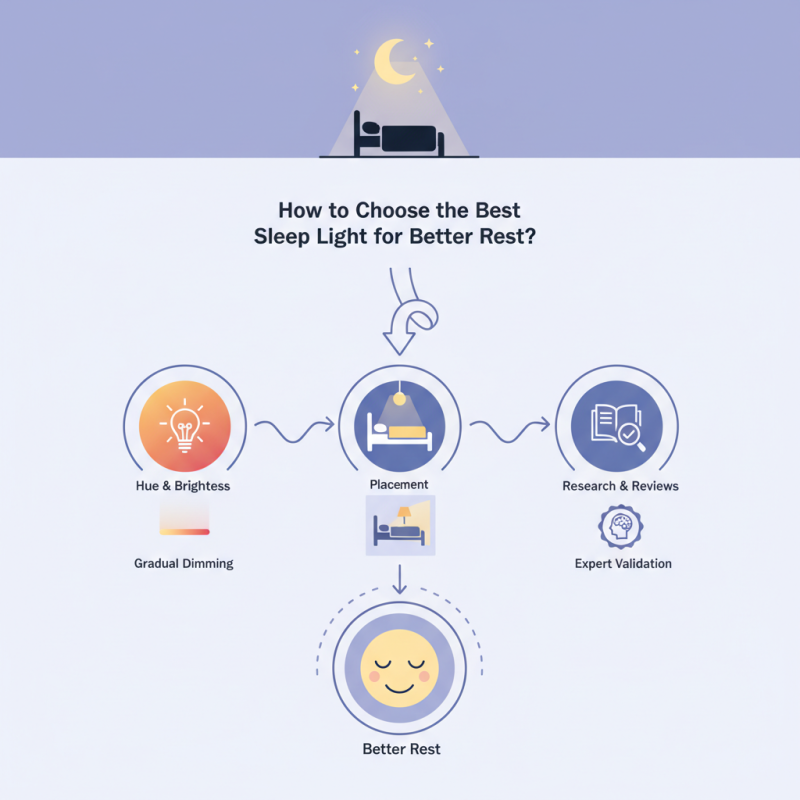
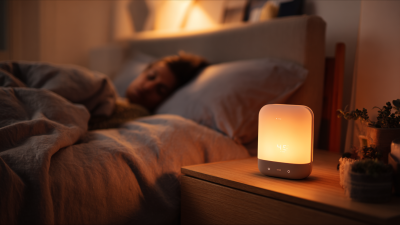
When selecting a sleep light, consider the hue and brightness. Soft, warm tones are soothing. A light that dims gradually is ideal. Bright lights can hinder sleep quality. Additionally, think about the placement. A light positioned correctly can enhance your bedroom atmosphere.
Not all sleep lights are created equal. Some may appear appealing but fail to deliver comfort. It's important to read reviews and research. Seek products validated by sleep experts. Your sleep quality matters. A good night's rest begins with the right sleep light. Evaluate your options carefully.
Understanding the Importance of Sleep Light for Quality Sleep
Sleep light plays a crucial role in enhancing the quality of rest. Proper lighting can influence how our body produces melatonin, the hormone responsible for sleep.
Soft, warm lights help signal the brain that it's time to wind down. Conversely, bright and harsh lights can disrupt our natural sleep cycle. This is particularly important in the hour before sleep.
Many people overlook the significance of sleep light. They might rely on overhead fixtures or screens, forgetting the subtlety of ambient lighting.
Experimenting with different brightness levels and color temperatures can lead to better sleep experiences. Some find that a dim, orange light helps ease into sleep better than a traditional white bulb.
Yet, this is often a trial-and-error process, revealing that not every solution works for every individual.
Understanding the body's response to light is essential. It's not just about turning off the lights; it's about creating an environment conducive to rest.
Reflecting on your sleep patterns can reveal insights. Are you using the right light at the right time? Addressing lighting habits might be the key to achieving deeper, more restorative sleep.
Types of Sleep Lights: Discovering the Options Available
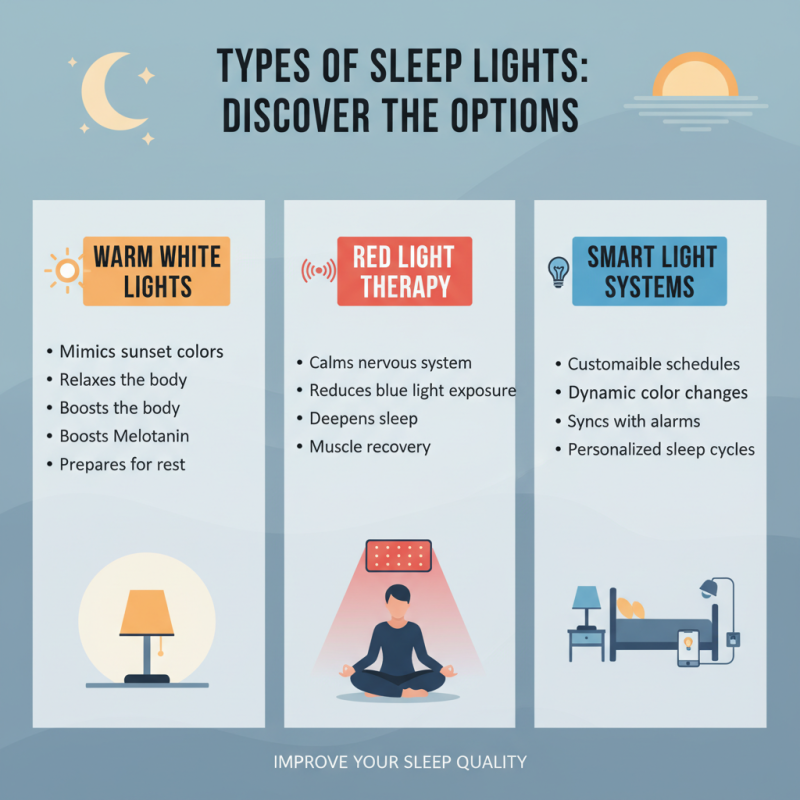
Choosing the right sleep light can significantly improve your sleep quality. A variety of options are available, each designed to cater to different needs. Warm white lights are popular for their relaxing properties. They mimic sunset colors and can help prepare your body for rest. Studies show that exposure to warm light increases melatonin production, promoting better sleep cycles.
Colored lights, such as soft blues or greens, can serve as effective alternatives. Research indicates that these hues may enhance relaxation while reducing anxiety. Some lights even offer adjustable brightness levels. According to experts, the ideal intensity should be around 1 to 10 lux for promoting peaceful slumber. However, individual preferences vary; not everyone responds equally to color therapy.
It’s important to reflect on your own habits. Some may find it difficult to adapt to sleep lights. A poorly chosen light can disrupt the sleep process. Taking time to test different types before committing is essential. Consider your bedroom's setup. Will the light disturb a partner? Are you sensitive to brightness? Answers to these questions matter. Understanding your own sleep patterns can lead to better choices.
Evaluating Brightness Levels: How Lumens Affect Your Sleep Quality
Evaluating brightness levels in sleep lights is crucial for enhancing sleep quality. Lumens, which measure light output, directly influence our circadian rhythms. Research indicates that exposure to blue light can suppress melatonin production. This hormone regulates our sleep-wake cycle. Ideally, choosing a sleep light with lower lumens promotes a calming environment for rest.
A study published by the Sleep Research Society suggests that light intensity below 300 lumens is optimal for winding down before bed. However, many people remain unaware of how brightness impacts their sleep. For instance, a bright room during the evening can lead to difficulty falling asleep. This critical detail often gets overlooked.
Adjusting brightness is essential, especially in the hour leading to sleep. Some lights may seem appealing, but they cause disruptions. It's essential to test different brightness settings to find what works best for you. Some individuals may require lower lumens, while others might prefer slightly brighter settings. This exploration can be beneficial, yet it takes time to discover the best fit. Reflecting on personal experiences helps to understand what facilitates better rest.
Color Temperature and Its Impact on Melatonin Production
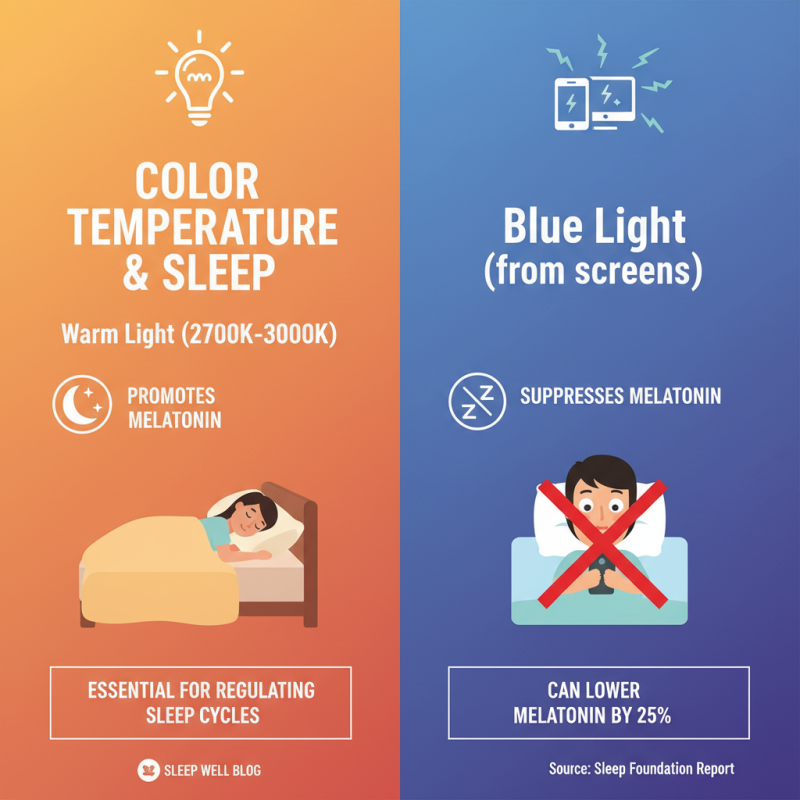
When choosing a sleep light, color temperature plays a critical role. Studies show warm light, around 2700K to 3000K, promotes better melatonin production. Melatonin is essential for regulating sleep cycles. A report by the Sleep Foundation states that light exposure at night can disrupt this natural hormone's release. Many people struggle with sleep because of blue light. This type of light, often found in screens, can lower melatonin levels by as much as 25%.
The impact of color temperature on our sleep quality can be profound. Research indicates that exposure to cooler light, above 4000K, can signal the brain to stay alert. This confusion can lead to difficulty falling asleep and staying asleep. It’s important to balance light exposure throughout the day. A study published in the Journal of Clinical Sleep Medicine highlights how soft, warm lighting in the evening eases the transition to sleep.
Choosing the right sleep light can be complex. Everyone's needs differ, and what works for some might not work for others. Experimenting with different color temperatures can lead to a more restful night's sleep. Yet, it’s crucial to reflect on your personal sleep habits and preferences. The search for the perfect sleep light often involves trial and error.
Key Features to Consider When Choosing a Sleep Light
When choosing a sleep light, several key features deserve attention. First, brightness adjustment is essential. This allows users to control the light intensity, creating a soothing environment. Too bright, and it can disturb sleep; too dim, and it may not provide enough visibility. Look for lights that offer multiple brightness settings.
Color temperature plays a crucial role in promoting better sleep. Warmer tones, like soft yellow or orange, can help signal your body that it’s time to wind down. Avoid cool blue tones, as they may interfere with melatonin production. The best sleep lights offer a range of color temperatures to fit personal preferences.
Tips: Consider lights with timers or dusk-to-dawn settings. These features are helpful for gradually dimming before sleep or gently brightening in the morning. This soft transition from dark to light can improve your overall sleep quality.
It’s also important to think about the design of the sleep light. A compact, portable option is ideal for travel or small spaces. However, ensure it does not detract from your bedroom's aesthetic. Practicality is key, but it should complement your décor.
Sleep lights can transform your rest experience. Reflect on what features matter most to you. Each element can affect your sleep quality, so careful selection is beneficial.
Sleep Light Features Comparison
This chart compares the effectiveness of various key features in sleep lights based on user ratings.