What are Fluted Panels and How to Choose the Best Ones?
Fluted Panels are becoming increasingly popular in modern design. These decorative panels add texture and style to various spaces. Their unique ridged patterns create visual interest and depth. Designers often choose Fluted Panels to enhance walls, ceilings, and furniture.
When selecting the best Fluted Panels, it’s essential to consider several factors. Material is crucial; wood, MDF, and polymer choices each offer different aesthetics. The finish also impacts the overall look. A matte finish creates a subtle elegance, while glossy surfaces add drama. One must not overlook the panel dimensions and installation methods, which affect both functionality and design flow.
However, the decision-making process can be overwhelming. The marketplace is flooded with options. It’s easy to feel uncertain about what truly complements your space. Taking the time to research and visualize your choices is paramount. Ultimately, selecting the right Fluted Panels should reflect your taste while being practical for your needs.
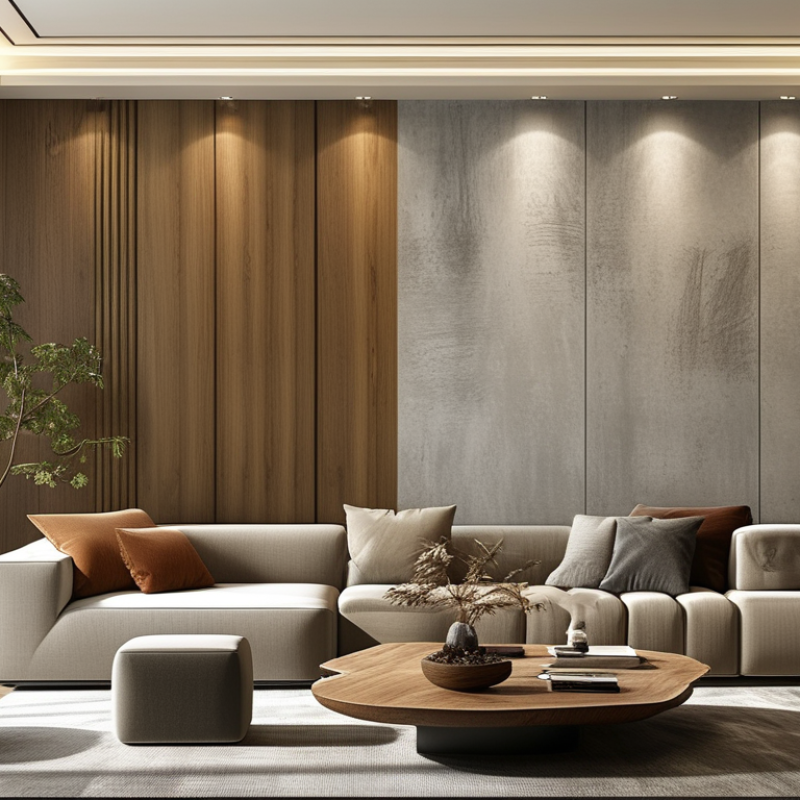
Understanding Fluted Panels: Definition and Types
Fluted panels are decorative wall treatments that feature vertical grooves. These grooves create texture and depth, enhancing the visual appeal of interior spaces. They can be made from various materials, including wood, MDF, and PVC. In recent years, the fluted panel market has witnessed an increase in demand. Reports indicate a projected growth rate of 5.3% annually through 2026.
There are different types of fluted panels depending on their application. Some panels are designed for residential use, while others cater to commercial needs. For instance, some fluted panels are water-resistant, making them ideal for bathrooms or kitchens. Recent industry studies show that 62% of architects prefer using high-quality fluted panels for their aesthetic and functional benefits. However, choosing the right panel can be challenging. The available styles and finishes can be overwhelming.
When selecting fluted panels, consider your space and design goals. Pay attention to materials that best suit your environment. Each material offers distinct advantages and drawbacks. For instance, wood provides warmth but requires maintenance. Always assess your specific needs to ensure you make an informed decision.
The Manufacturing Process of Fluted Panels: Key Technologies
Fluted panels have gained popularity in modern architecture and interior design. They are known for their distinct vertical grooves, adding texture and depth to surfaces. Understanding the manufacturing process is essential for selecting the best fluted panels for your project.
The production of fluted panels involves advanced technologies. Typically, materials such as wood, MDF, or polymer are used. These materials are cut with precision using CNC machines, ensuring consistency in size. After cutting, grooves are formed through routing or molding. This step requires expertise to achieve the desired depth and width of each flute. Attention to detail during this phase is crucial. Any inconsistency can affect the final appearance.
Finishing techniques also play a vital role. Panels are often sanded, primed, and painted or veneered. Each finish impacts the look and feel of the panel. The choice of finish can either enhance or detract from the panel's natural beauty. It's worth reflecting on how different finishes interact with light and texture. Selecting the right combination can elevate your design, while a poor choice may fall flat. Always consider the specific needs of your space when making these decisions.
Factors to Consider When Choosing Fluted Panels: A Comprehensive Guide
When choosing fluted panels, several factors come into play. The material is crucial. Options like MDF, plywood, and solid wood each offer different aesthetics and durability. Consider the panel's finish. A smooth or textured surface can significantly affect the overall look and feel of your space.
Size and thickness matter. Thicker panels tend to be sturdier but may require more space. Ensure the dimensions fit your intended area. Take note of the panel's orientation too. Vertical or horizontal fluting can dramatically influence the visual dynamics of a room.
Think about the installation process. Some panels are easier to install than others, which can save time. Assess your own skills or consult a professional if needed. Lastly, consider your design vision. Fluted panels can offer a blend of modern and classic styles. Remember, what suits one space may not fit another. Consider experimenting to see what resonates with your taste.
Market Trends and Popular Materials for Fluted Panels in 2023
Fluted panels are gaining popularity in interior design for their unique texture and elegance. In 2023, the market trends indicate a shift towards sustainable materials. Homeowners and designers alike are prioritizing eco-friendly options. This move reflects a growing awareness of environmental concerns. For fluted panels, bamboo and recycled wood are becoming top choices. They not only look good but also reduce waste.
When choosing fluted panels, consider the aesthetics and the material's impact on your space. Lighter wood tones are trendy this year. They can brighten up a room and enhance other design elements. On the other hand, dark finishes provide a luxurious touch. Both options can define areas and add depth.
Tips: Ensure proper measurements before purchasing. Panels should fit seamlessly into your design. A mismatched size can disrupt the flow of the space. Also, consider the panel's maintenance needs. Some materials require special care. It’s wise to weigh aesthetics against practicality. This reflection can lead to better decision-making. Fluted panels can elevate your interior, but understanding market trends is essential.
Applications of Fluted Panels Across Different Industries: Insights and Data
Fluted panels are becoming popular across various industries due to their unique aesthetics and functionality. In the architectural world, they add visual interest to walls and ceilings. These panels can define spaces and enhance acoustic performance. Restaurants and offices often use them to create inviting atmospheres. Their adaptability also allows for easy installation in both new builds and renovations.
In the retail sector, fluted panels play a crucial role in product display and branding. Their textures can catch customers' attention and create memorable experiences. Many retailers find that the visual appeal of fluted panels increases foot traffic. Additionally, in the furniture industry, these panels can be incorporated into cabinetry and fixtures, offering a blend of beauty and practicality.
However, choosing the right fluted panels can be challenging. Factors like material durability and maintenance requirements need careful consideration. Architects and designers must weigh each option's pros and cons. Some materials may not hold up well in humid environments. Others might require more upkeep than expected. It's essential to gather data and insights before making a decision. A well-informed choice will enhance both the aesthetic and functional aspects of the project.
