What is a Morning Lamp and How Does it Improve Your Sleep?
As our understanding of sleep continues to evolve, tools like the morning lamp have gained attention. Dr. Emily Davis, a sleep science expert, emphasizes, "A morning lamp can reset your body's internal clock." This innovative device mimics natural sunlight to improve mood and encourage better sleep patterns.
Morning lamps work by emitting bright light that simulates dawn. This helps to regulate melatonin production. Users often report feeling more energized and alert throughout the day. However, not all morning lamps are created equal. Some may not provide the right spectrum of light needed for optimal effects.
While research supports the benefits of morning lamps, their effectiveness can vary. Individual experiences may differ, and results are not guaranteed. It's essential to find a lamp that suits your personal needs. Experimenting with brightness levels and timing can help maximize the benefits of this tool. Consider the morning lamp as part of a larger strategy to enhance your sleep quality.
What is a Morning Lamp?
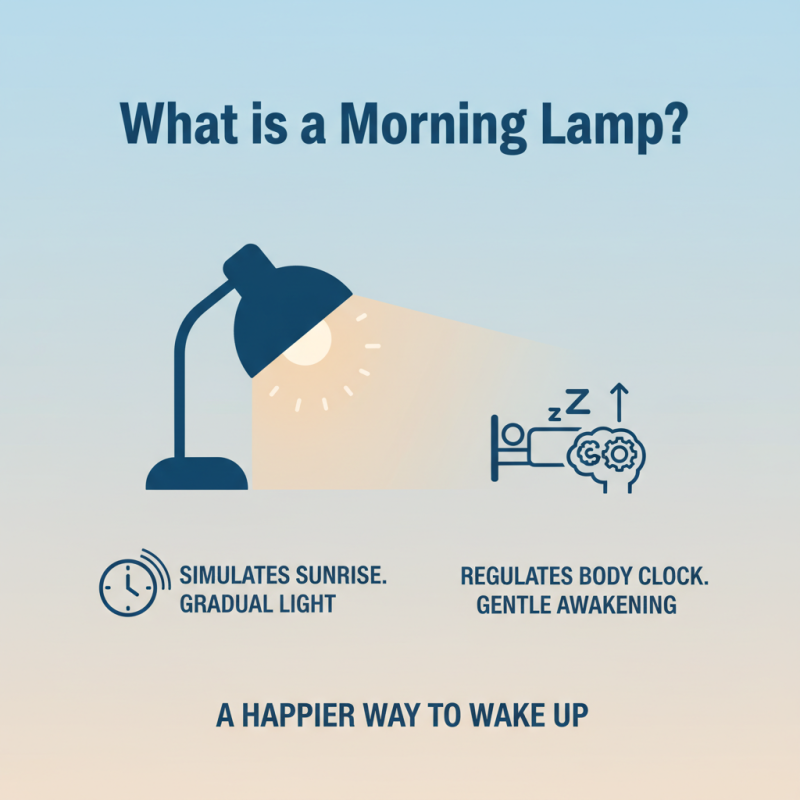
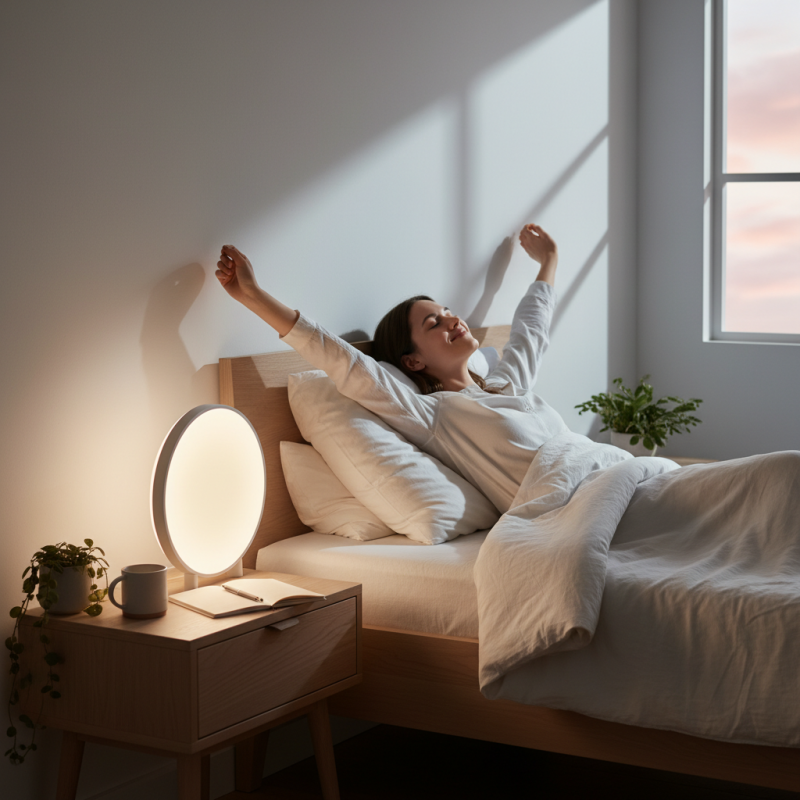
A morning lamp, also known as a wake-up light, simulates a natural sunrise. It gradually brightens your room over a set period. This gentle increase in light can help regulate your body's internal clock. Many people struggle with waking up in complete darkness. A morning lamp offers a more pleasant alternative.
Using a morning lamp can have several benefits for sleep and mood. The gradual light mimics the sun rising. This signals your brain that it’s time to wake up. It can reduce feelings of grogginess. Some users report feeling more alert and energized. However, not everyone may find it effective. Individual sleep patterns vary greatly.
Investing in a morning lamp may seem trivial. Yet, for those who suffer from seasonal affective disorder, it can be transformative. The light's intensity matters; a soft glow can feel comforting. Experimenting with different settings is key. Consider keeping the lamp away from distractions. Reflection is important in finding the setup that works best for you.
The Science Behind Sleep and Light Exposure
Light exposure plays a crucial role in regulating our sleep patterns. Our bodies have an internal clock, called the circadian rhythm. This rhythm responds to light and dark cycles. Morning light encourages wakefulness. It signals the body to reduce melatonin production, the hormone that promotes sleep. Conversely, evening light, especially from screens, can disrupt our natural sleep cues.
Using a morning lamp can enhance your sleep quality. These lamps simulate natural sunlight. This mimicry helps reset your circadian rhythm. A 20-minute exposure in the morning can boost mood and alertness. This practice is especially helpful during winter months when natural sunlight is limited. Those who struggle with seasonal affective disorder can find relief through this method.
However, relying too much on artificial light can have downsides. Overexposure to bright light at night can lead to insomnia. It is essential to balance light exposure. Keeping a consistent sleep schedule is equally important. The ideal scenario involves using morning lamps while avoiding screens before bedtime. This balance can lead to better sleep and a healthier lifestyle.
Impact of Light Exposure on Sleep Quality
This chart illustrates how the quality of sleep varies based on light exposure levels. A significant portion of individuals reports poor sleep quality when exposed to high levels of artificial light at night.
How Morning Lamps Promote Healthy Sleep Patterns
Morning lamps, designed to imitate natural sunlight, play a crucial role in fostering healthy sleep patterns. Research shows that exposure to bright light in the morning can enhance mood and alertness, which are vital for regulating circadian rhythms. According to the Journal of Clinical Sleep Medicine, individuals who use morning lamps report a 30% improvement in sleep quality compared to those who do not. These lamps help signal the brain that it is time to wake up, effectively aiding in the re-establishment of a balanced sleep schedule.
The mechanism behind morning lamps involves the suppression of melatonin, the hormone responsible for sleep. By reducing melatonin levels, these lamps encourage a more energized start to the day. A study in Sleep Health noted that participants experienced a noticeable increase in daytime vigilance and reduced sleepiness when using morning lamps. However, not all individuals respond equally; some may find themselves wrestling with the adjustment. This inconsistency highlights the significance of a personalized approach to light exposure. Exploring various intensities and durations can help tailor the use of morning lamps to individual needs.
What is a Morning Lamp and How Does it Improve Your Sleep? - How Morning Lamps Promote Healthy Sleep Patterns
| Feature |
Description |
Benefit |
| Sunrise Simulation |
Gradually increases light intensity to mimic a natural sunrise. |
Helps regulate circadian rhythms, making it easier to wake up. |
| Adjustable Brightness |
Allows users to customize light intensity according to preference. |
Promotes a comfortable sleeping environment. |
| Color Temperature Settings |
Offers options for various light colors, from warm to cool. |
Supports better sleep quality by reducing blue light exposure. |
| Nature Sounds |
Includes sounds like birds chirping or ocean waves. |
Enhances relaxation and aids in falling asleep. |
| Smart Controls |
Can be controlled via mobile apps or smart home devices. |
Offers convenience and flexibility in managing sleep hygiene. |
Key Features of an Effective Morning Lamp
A morning lamp simulates natural sunlight, which can greatly enhance your sleep quality. These devices gradually brighten, encouraging a gentle wake-up process. Studies highlight that exposure to bright light in the morning can boost mood and energy levels. In fact, the National Sleep Foundation found that about 70% of adults struggle with sleep quality.
Key features of an effective morning lamp include adjustable brightness settings and color temperatures. Research from the Journal of Clinical Sleep Medicine indicates that a color temperature around 6500K mimics midday sun, making it highly beneficial for regulating circadian rhythms. Gradual light increases over 30 minutes can help ease the transition from sleep to wakefulness without abrupt disruptions.
Another important aspect is the incorporation of sound. Soft nature sounds or white noise can be paired with the light to create a tranquil environment to rise. While a morning lamp can significantly improve waking routines, some users might find it challenging initially. Adjusting to the light can be a process. Users may want to reassess their evening habits if they struggle to wake up refreshed, as consistent sleep schedules also play a crucial role in overall well-being.
Tips for Using a Morning Lamp to Enhance Sleep Quality
Using a morning lamp can transform your sleep routine. These lamps simulate natural sunlight, helping to regulate your circadian rhythm. By gradually increasing light intensity, they signal your brain that it’s time to wake up. This gentle transition can improve your mood and energy levels.
To enhance sleep quality, place the lamp in your bedroom, but not too close to your sleeping area. Aim for a distance where the light is soft but noticeable. Set it to turn on about thirty minutes before you wake up. This mimics how the sun rises, creating a more natural awakening. Try adjusting the brightness to find what feels best for you.
Consistency is key. Stick to a routine, even on weekends. The lamp is not a magic solution. It requires patience and commitment. You may not see immediate benefits, which can be frustrating.
Reflection is essential. Observe how your body responds and adjust settings as needed. Over time, you might notice improved sleep patterns and greater alertness during the day.