How to Use Red Light Therapy for Skin Healing and Wellness?
Red Light Therapy has gained significant attention in recent years. This non-invasive treatment uses wavelengths of red light to promote skin healing and overall wellness. Research shows that about 70% of individuals using Red Light Therapy report noticeable improvements in skin texture and tone. The American Society for Dermatologic Surgery highlights its effectiveness in reducing fine lines and wrinkles.
Many healthcare professionals recognize Red Light Therapy as a safe alternative to invasive procedures. It stimulates collagen production, crucial for youthful skin. However, not all devices yield the same results. Users often face confusion when selecting the appropriate technology. A consumer report found that nearly 40% of users were dissatisfied, emphasizing the need for informed choices.
Despite its potential, Red Light Therapy isn’t a miracle cure. Some may experience minimal effects initially. A study from the Journal of Clinical and Aesthetic Dermatology reveals that consistent application is key to success. Engaging with this therapy can be rewarding, but it requires patience and commitment to see lasting results.
Understanding Red Light Therapy: Basics and Benefits for Skin Healing
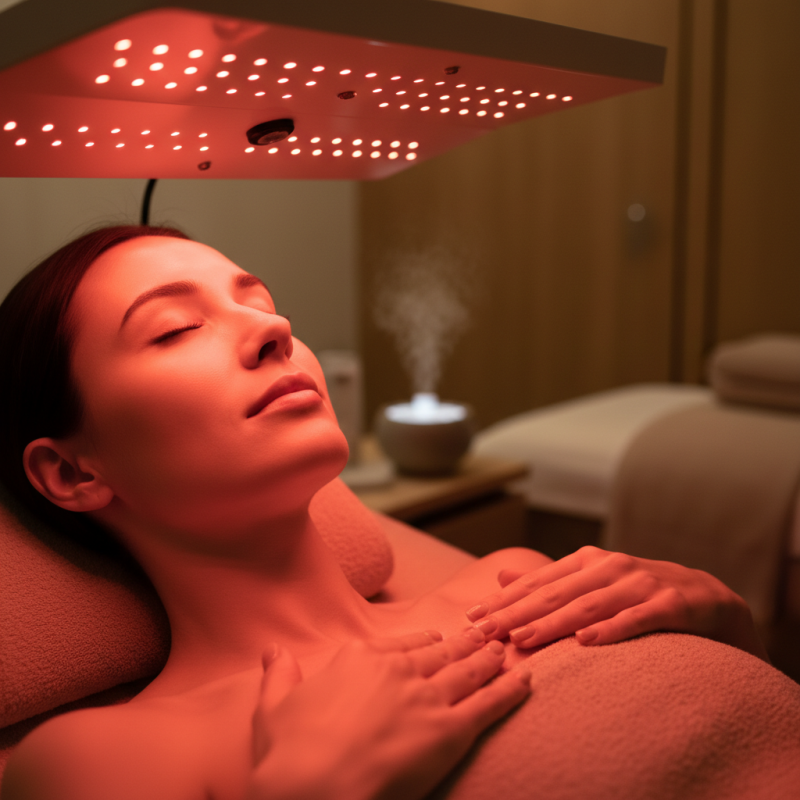
Red light therapy is gaining popularity for skin healing. This non-invasive treatment uses specific wavelengths of light. These wavelengths penetrate the skin, encouraging cellular repair. Your skin absorbs this light and starts rejuvenating itself. The result? Increased collagen production and improved skin tone.
Benefits of red light therapy include reduced inflammation and accelerated healing. Many people have noticed a decrease in acne and scars. However, results vary. Some may require multiple sessions to see changes. It’s essential to remain patient. Although it sounds appealing, not every user finds relief.
For optimal results, consistency is key. Regular treatments can help maintain skin health. Always consider personal skin conditions before starting. Everyone's skin is unique, and what works for one may not work for another. Reflecting on your experience is necessary for progress. Engage in a dialogue with professionals to address your needs.
Mechanism of Action: How Red Light Affects Skin Cells and Tissue Repair
Red light therapy is gaining popularity for its ability to promote skin healing and overall wellness. Understanding the mechanism of action is essential. Red light penetrates the skin's layers, stimulating cellular activity. This process enhances collagen production and increases blood flow. As a result, skin cells regenerate more rapidly, aiding in tissue repair.
When using red light therapy, consider where you focus the light. Target specific areas with visible signs of aging or damage. Use a consistent routine for optimal results. Sessions can last from 10 to 20 minutes. It's crucial to note that the distance to the light source can affect its effectiveness. Closer exposure typically yields better outcomes.
During your sessions, reflect on your skin's response. Are there changes in texture or tone? Taking notes can help you track improvements. Remember, patience is key to seeing results. Don’t rush the process. In addition to therapy, maintain a healthy skincare regimen. Hydration plays a significant role in the skin's healing journey.
How Red Light Therapy Affects Skin Cells and Tissue Repair
This chart illustrates the measurable effects of red light therapy on various skin healing parameters. As seen, red light therapy significantly enhances collagen production, accelerates wound healing, reduces inflammation, and improves skin elasticity. These results indicate the potential of red light therapy as a beneficial treatment for skin health and wellness.
Choosing the Right Equipment: Devices and Tools for Effective Red Light Therapy
When choosing equipment for red light therapy, the options are vast. Devices include handheld units, full-body panels, and portable masks. Each serves a unique purpose. The right choice depends on your specific needs.
Studies show that wavelengths between 600-650 nm and 800-880 nm are most effective. These wavelengths penetrate the skin. They promote healing and reduce inflammation. A review published in the journal "Photomedicine and Laser Surgery" reported a significant increase in collagen production when using red light therapy for skin health. This indicates how specific devices can amplify results.
Not all devices are created equal. Some may not emit the needed wavelengths or intensity. Poor quality can diminish effectiveness. Therefore, evaluate the specified wavelengths and light intensity of each device. User reviews can provide insight but should be taken critically. Always consider the evidence supporting claims before making a purchase.
Application Techniques: Best Practices for Maximizing Skin Healing Benefits
Red light therapy has become popular for skin healing and wellness. To maximize its benefits, one important technique is consistency. Regular sessions, ideally a few times a week, can enhance results. Aim for sessions lasting about 10 to 20 minutes. This timeframe is generally effective for most users.
Proper distance from the light source matters too. Being too far may lessen the effectiveness. Yet, getting too close can cause discomfort. A distance of 6 to 12 inches is usually recommended. Always find a comfortable position during therapy. This helps with relaxation and enhances the overall experience.
Before starting sessions, clean your skin. This action helps remove barriers that could block the therapy's effectiveness. Consider journaling your experiences. Document the changes you observe. Reflecting on your journey can highlight progress and areas for improvement. Embrace the process and stay patient; results may take time.
Safety Considerations: Important Precautions When Using Red Light Therapy
Red light therapy can be effective for skin healing. However, safety is crucial. Always start by consulting a medical professional. Understand your skin type and any underlying conditions. Each individual's response may vary. It’s not a one-size-fits-all solution.
Before using red light therapy, perform a patch test. This helps identify any adverse reactions. Use the device at a distance recommended for safety. Overexposure can cause skin irritation. Monitor your skin’s response closely during each session. If you experience redness or discomfort, stop immediately.
Follow the manufacturer’s guidelines for proper usage. Never exceed the recommended time limits. Protect your eyes when needed, as the light can be intense. Not everyone may benefit equally from this therapy. Reflect on your progress and adjust your approach accordingly. Listen to your body; it often knows best.
How to Use Red Light Therapy for Skin Healing and Wellness? - Safety Considerations
| Dimension | Description |
| Wavelength | Typically between 600-650 nm for skin healing |
| Duration | Sessions of 10-20 minutes recommended for effectiveness |
| Frequency | 2-3 times a week for optimal results |
| Skin Types | Effective for various skin types, including oily and dry |
| Safety Precautions | Avoid direct eye exposure; use protective goggles |
| Contraindications | Pregnancy, certain medications, and photosensitivity disorders |
