Top 10 LED Garden Lights at the 139th Canton Fair?
The 139th Canton Fair offers a unique insight into the latest trends in led garden light technology. Taking place across three phases from April 15 to May 5, 2026, the event showcases a wide range of innovative products. Visitors can explore booths featuring advanced manufacturing and electronics, as well as home and garden solutions.
A highlight this year is the integration of AI smart search and navigation tools. These features help buyers quickly find suppliers certified with ISO and CE standards. Navigating through 1.55 million square meters of the exhibition space becomes less overwhelming. Yet, the vast scale still challenges efficient time management.
Led garden lights stand out due to their energy efficiency and design variety. Some models combine modern aesthetics with durable materials. However, not all products meet the same quality levels, prompting careful evaluation. This fair presents a valuable but complex opportunity to discover top lighting solutions for outdoor spaces.
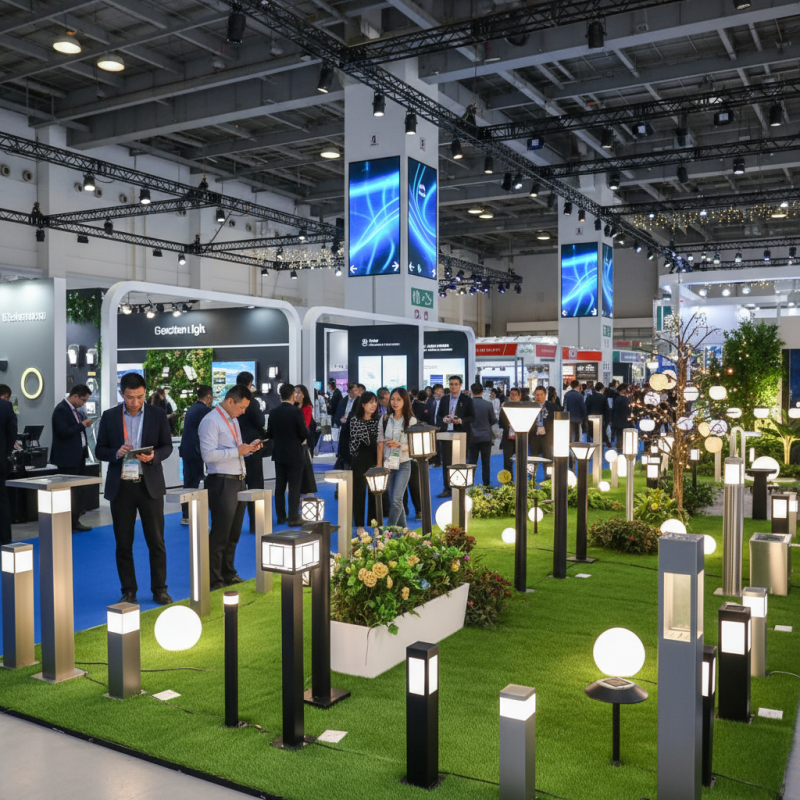
Top 10 Innovative LED Garden Lights Featured at the 139th Canton Fair
The 139th Canton Fair showcased a remarkable selection of innovative LED garden lights. Designs ranged from sleek, minimalist styles to intricate fixtures that enhance outdoor aesthetics. LED technology continues to advance, making these lights more energy-efficient and durable. Reports indicate that the global LED market is expected to grow by 20% annually, driven in part by outdoor lighting solutions.
Among the standout features were solar-powered options. These lights exemplify eco-friendliness and cost savings. Solar lights not only reduce electricity bills but also lower carbon footprints. The fair highlighted a growing trend where nearly 40% of consumers show preference for sustainable products. However, there remains skepticism regarding their effectiveness in varying weather conditions. The balance between design and functionality is crucial here.
Color-changing capabilities also caught attention. These features allow users to customize their outdoor ambiance easily. Some products can shift through millions of colors, enhancing any garden setting. Yet, the complexity of controlling such features can deter some potential users. Simplicity could be key to wider acceptance. As manufacturers iterate on designs, consumer feedback is essential in shaping future innovations.
Key Features and Technologies of LED Garden Lights from the Exhibit
LED garden lights have gained popularity, especially showcased at industry events like the 139th Canton Fair. These lights utilize advanced technology that enhances efficiency and durability. According to a market report, the global outdoor lighting market is projected to reach $14.5 billion by 2025. LED lights play a significant role in this growth due to their energy efficiency and low maintenance costs.
Key features of modern LED garden lights include motion sensors, solar capabilities, and smart connectivity. Motion sensors enable lights to turn on only when needed, conserving energy. Solar-powered lights are environmentally friendly and can operate independently from traditional power sources. Smart connectivity allows users to adjust settings through mobile apps. These features enhance usability but require careful installation and setup to maximize their benefits.
Tips: When selecting LED garden lights, consider brightness and energy consumption. Check the lumen output for optimal lighting. Also, examine the color temperature, aiming for a warm white light for a cozy ambiance. Regular maintenance is essential to ensure longevity. Consider using timers for automatic operation, but remember that reliance on technology can sometimes lead to overcomplication. Reflect on your specific garden needs before making a decision.
Demand Trends for LED Garden Lighting in Global Markets
The global demand for LED garden lighting continues to rise, driven by eco-friendly initiatives and aesthetic improvements. According to a recent industry report, the LED garden lighting market is expected to grow at a compound annual growth rate (CAGR) of over 15% through 2030. As more consumers seek energy-efficient solutions, LED lights are becoming the preferred choice. Attractive designs combined with innovative technology enhance their appeal in residential and commercial sectors.
Tips: When selecting LED garden lights, consider brightness levels and color temperatures. High lumen output provides better illumination for larger spaces. Also, a cooler color temperature creates a vibrant atmosphere, while warmer tones offer a cozy feel.
However, there are challenges to consider. Not all energy-efficient lights perform equally in different climates. Some LED lights can be sensitive to temperature fluctuations, potentially affecting their longevity. A study indicated that nearly 20% of consumers reported dissatisfaction due to premature failures in extreme weather conditions. It's essential to choose products with robust weather ratings to avoid disappointment.
As the trend for outdoor lighting evolves, understanding the needs of consumers remains crucial. Invest time in market research. This can lead to identifying gaps in the current offerings. Being aware of the latest design trends can also set products apart.
Environmental Impact: Energy Efficiency of LED Garden Lights
LED garden lights are becoming essential for outdoor spaces. They brighten up gardens while being energy efficient. This is crucial for the environment. Many households are making the switch to LEDs.
Energy-efficient LED lights consume less electricity. They last longer than traditional bulbs. This means fewer replacements end up in landfills. However, not all LED products are created equal. Some may not deliver the promised efficiency.
Researching options is important to avoid poor choices.
The impact of these lights on energy consumption is significant. They help reduce the carbon footprint of outdoor lighting. Gardens can shine brightly without harming the planet. Still, we should evaluate their production impact. Understanding how they are made is necessary for responsible choices. Energy efficiency is just one part of the story.
Comparative Analysis of Pricing and Quality in LED Garden Lighting
The 139th Canton Fair showcased a variety of LED garden lights, attracting attention for both pricing and quality. Many products featured unique designs that enhanced outdoor spaces. Brightness levels varied significantly across different models, and some did not meet expected standards. Consumers want reliability and aesthetic appeal in their garden lighting.
Pricing analysis revealed a wide range. Some lights were surprisingly affordable, yet lacked durability. Others were priced high but offered exceptional performance. Many vendors highlighted energy efficiency, but not all products delivered on this promise. Some lights failed to illuminate gardens as effectively as claimed.
Quality control remains a concern. Several lights exhibited flaws, such as flickering or uneven brightness. Buyers should consider warranty and materials used before purchasing. The fair provided a glimpse into market trends, but careful research is essential. A balance between cost and quality is critical for informed decisions.
