Choosing a Yoga Tops manufacturer in China takes more than comparing prices and product photos. A polished catalog is useful, but it cannot show how a top feels during a real stretch or after repeated washing. Details matter.
This guide looks at manufacturers through practical signals: fabric options, seam construction, size consistency, sample quality, and communication. A useful supplier should explain whether a fabric is suitable for light studio practice or higher-impact movement. Ask for material specifications and care guidance, then check whether the sample matches the approved details. Small differences in strap width, lining, or hem tension can change comfort considerably.
Claims deserve a closer look. Request relevant quality documents, clarify production timelines, and confirm minimum order quantities before planning a launch. Photos alone are not proof. If possible, inspect samples under ordinary wear and washing conditions. Fit is personal. One review cannot tell the whole story.
The manufacturers discussed here are presented as options to investigate, not as a universal ranking. The right partner depends on your target customer, budget, order size, and design needs. Some details may remain uncertain until a sample is tested, and that is worth admitting. A reliable decision comes from asking clear questions, comparing evidence, and noticing where a supplier’s answers are vague.
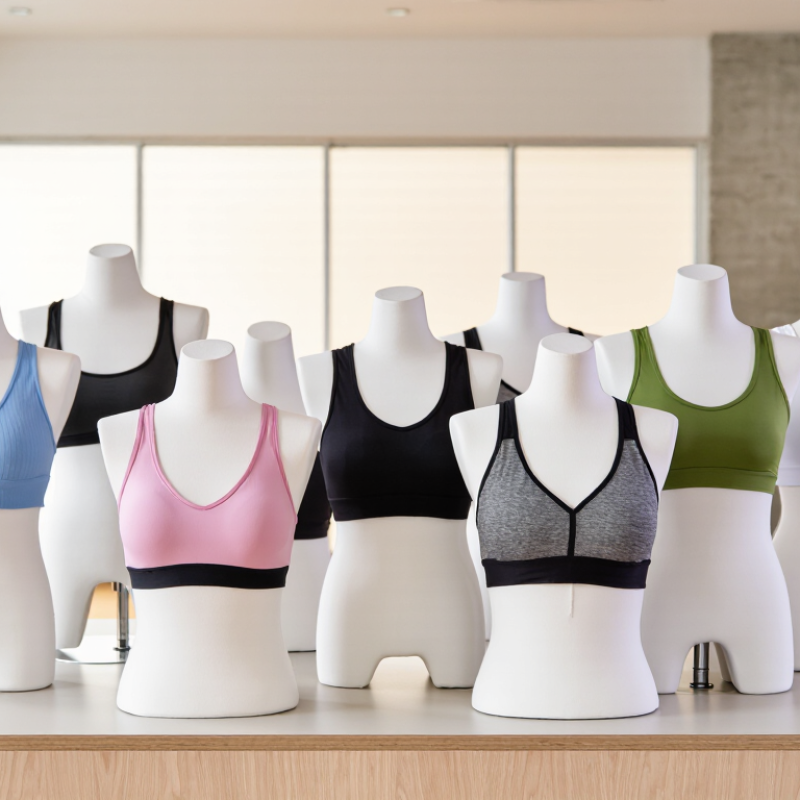
A yoga tops manufacturer in China should be able to turn a design brief into a garment that performs through repeated movement. That means understanding stretch, recovery, opacity, and seam placement—not just matching a color. Ask how the team tests fabric after washing and whether it checks coverage during deep bends. Small details matter. A wide, soft underband may feel secure, while a rough label can irritate skin during practice.
Reliable makers explain their process clearly, from fabric sourcing and pattern development to sample approval and production checks. Request specific details: fabric composition, size tolerances, stitching methods, and how defects are recorded. A smooth sample is useful, but it does not prove every production batch will match. Not always. Check whether the manufacturer can share recent inspection records or explain what happens when measurements fall outside agreed limits. Communication is part of the product, too; delayed answers during sampling can signal future friction. Still, no factory is perfect, and a polished presentation may hide gaps. Compare evidence, test samples yourself, and make expectations explicit before production begins.
China’s yoga apparel sector is organized as a network, not a single factory model. Fabric mills develop stretch knits, while specialist workshops handle dyeing, cutting, sewing, and finishing. Some manufacturers coordinate most stages under one roof; others rely on nearby suppliers. The distinction matters. A smooth sample does not prove that bulk production will follow the same process.
In coastal manufacturing clusters, a typical order may pass through several hands. A mill knits nylon or recycled-polyester yarn into fabric, then finishing teams add color and softness. Garment teams cut panels, sew flat seams, and attach waistbands or removable cups. Quality staff check measurements, stitching, and color consistency. Small details count: a twisted seam can rub during a long stretch, and a waistband that rolls on the cutting table may do the same in class.
This division of labor can be efficient, but it can also make accountability harder to trace. Buyers should ask who controls fabric testing, production schedules, and final inspections. They can also request records for fabric composition, shrinkage, and colorfastness, then compare them with production samples. Not every supplier will have identical documentation. That is worth noticing, not glossing over. A capable manufacturer should explain its process clearly, including where outside partners are involved.
China’s leading yoga tops manufacturers often stand out through focused production strengths rather than one universal advantage. Some specialize in seamless knitting, creating smooth, close-fitting tops with fewer friction points. Others excel at cut-and-sew styles, offering more control over panel placement, neckline shape, and compression. Fabric teams may develop four-way-stretch blends with moisture-wicking finishes, while experienced sewing lines handle flatlock seams and reinforced straps. These details matter during repeated stretches and washes.
Material choice deserves careful review.
Textile Exchange’s Materials Market Report 2024 estimates global fiber production reached 124 million tonnes in 2023, with polyester accounting for 57 percent. This scale makes polyester common in performance apparel, but recycled content and fabric feel vary by supplier. Request fabric composition, stretch-recovery results, colorfastness data, and wash-test samples. A polished sample is useful. It is not proof of consistent bulk quality.
Tips: Ask for a pre-production sample and check it after several washes. Confirm minimum order quantities, lead times, and inspection steps in writing. Smaller details can expose gaps: Does the bra lining shift? Do seams twist after movement? Suppliers may promise fast customization, yet rushed sampling can miss fit issues. Allow time for revisions.
Comparing yoga tops manufacturers in China starts with the garment, not the sales pitch. Request samples in your intended fabric and check stitching, stretch recovery, seam comfort, and opacity under movement. Wash each sample several times. Look for twisting hems, loose threads, or fading. Small flaws matter.
Ask how the factory controls quality from fabric inspection to final packing. A clear inspection checklist and documented defect handling are more useful than a broad quality promise. Capacity needs equal scrutiny: compare monthly output with your order size, seasonal workload, and expected reorder timing. Ask for a production schedule and confirm which processes happen on-site. A large quoted capacity may not mean your order gets priority.
Review compliance records relevant to your destination market, including material declarations, test reports, and factory audit documents. Check issue dates, product scope, and whether the paperwork matches the fabric and construction in your sample. When possible, use an independent testing provider to verify key claims. A tidy audit file is not proof of perfect production. Nor is one bad sample always conclusive. Repeat samples can reveal whether quality is consistent, though they add time and cost. Keep your comparison grounded in evidence, not promises.
Choosing a yoga tops manufacturing partner in China takes more than comparing unit prices. Ask for fabric composition, test records, production capacity, and clear lead times. During sampling, check opacity under a deep squat, seam comfort against the skin, and whether elastic returns after repeated stretching. Small details matter.
Textile Exchange’s Materials Market Report 2024 estimates that global fiber production reached 124 million tonnes in 2023, with polyester accounting for 57%. The report also puts recycled polyester at 12.5% of total polyester production. These figures make material traceability worth checking: request certificates and transaction records, not just a recycled-content claim. Ask how fabric lots are tracked from supplier to finished garment.
Inspect how the factory handles fit revisions, shade variation, and rejected units. A well-documented quality plan should set measurable checks for stitching, measurements, color, and stretch recovery. Request a pilot run before committing to a large order. It may reveal delays or inconsistencies that a polished sample hides. No checklist catches everything. Even so, clear records, candid communication, and repeatable test results offer a stronger basis for choosing a partner than promises alone.
Compare a manufacturer’s fabric sourcing and testing capabilities. The chart shows typical moisture-regain values for common fibers used in yoga tops; it is not a ranking of manufacturers.
Typical moisture-regain figures under standard textile conditioning: cotton 8.5%, nylon 4.5%, and polyester 0.4%. Actual fabric performance varies with yarn, knit construction, blends, and finishes. Ask prospective partners for fabric specifications and test results relevant to your product.