Why Choose Home Elevators for Modern Homes?
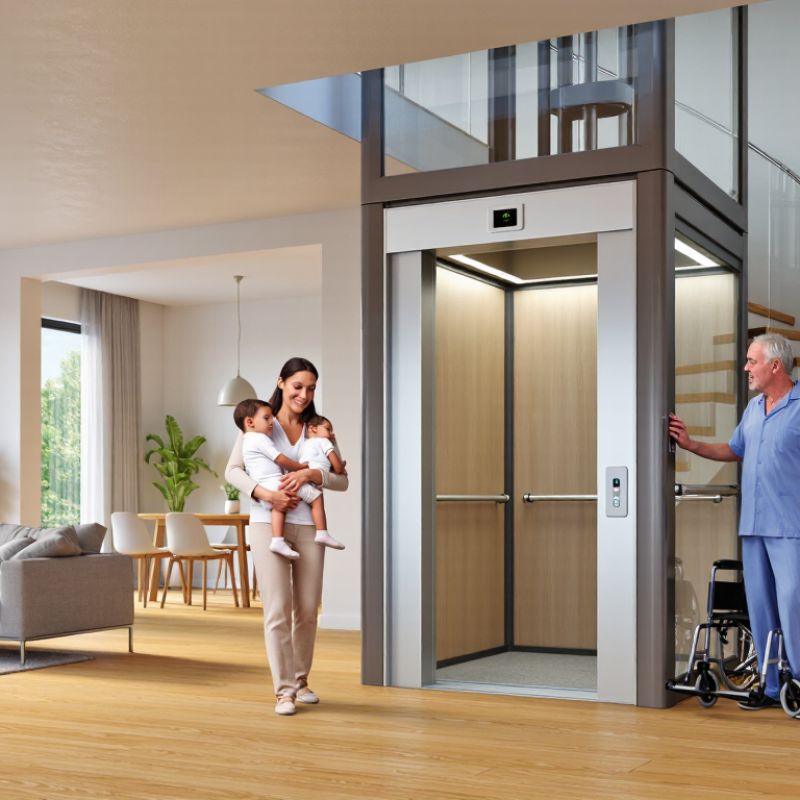
Modern homes are changing. Open plans, multiple levels, and aging family members are reshaping what comfort means. Home Elevators offer more than a polished feature beside a staircase. They can move groceries, luggage, wheelchairs, and tired legs between floors with steady, quiet motion. Picture a parent carrying a sleeping child without navigating dark stairs. Picture an older resident reaching a bedroom independently. These everyday moments often explain the investment better than glossy showroom promises. Yet an elevator should never be chosen only for appearance. Shaft dimensions, landing space, power needs, noise levels, and emergency lowering systems require careful assessment. Small homes need especially honest planning.
A reliable decision begins with professional guidance. Qualified elevator specialists can review the building structure, household routines, accessibility needs, and long-term maintenance requirements. Reputable manufacturers should provide clear specifications, tested safety features, warranty terms, and service contacts that remain available after installation. Ask difficult questions. Who handles required inspections? How quickly can a technician respond? What happens during a power outage? These details matter more than a mirror finish. Good design also respects daily life: doors should open naturally, controls should be reachable, lighting should reduce shadows, and the cabin should feel secure rather than clinical. No system is perfect. Even a well-installed lift needs maintenance, cleaning, and patient users. Still, when technology matches real household needs, Home Elevators can make a modern property safer, more flexible, and easier to live in for many years.
What Are Home Elevators and How Do They Work?
Home elevators are compact vertical transport systems built for private houses. They connect floors through a small shaft, enclosure, or prepared opening. A motor moves the cabin along guide rails. Some models use traction cables and counterweights. Others use hydraulic pistons beneath or beside the cabin. A controller manages speed, leveling, door movement, and emergency stops.
The process is carefully coordinated. When you press a floor button, sensors check the doors and cabin position. The controller then starts the motor smoothly. Mechanical brakes hold the cabin if power fails. Battery lowering may bring passengers to a safe floor. Door interlocks prevent movement while an entrance remains open. The 2023 ASME A17.1/CSA B44 safety code sets widely used elevator safety requirements in North America. Local approval remains essential. Rules differ by location.
Demand also reflects changing household needs. AARP’s 2024 Home and Community Preferences Survey found that 75% of adults aged 50 and older want to remain in their current homes. The U.S. Census Bureau reported that adults aged 65 and older represented about 17.7% of the U.S. population in 2023. No lift suits every floor plan. That is worth admitting.
Tips: Measure doorways, stair clearances, pit depth, and overhead space early. Ask an experienced installer to inspect structure, drainage, electrical capacity, and evacuation access. Choose controls with clear lettering and reachable heights. Test backup lowering and door sensors during every scheduled service visit. A quiet ride is pleasant, but dependable stopping matters more.
Why Choose Home Elevators for Modern Homes?
Typical rated speeds of common residential elevator systems
How home elevators work: A control system receives a call, activates the drive unit, and moves the cabin along vertical guide rails. Depending on the design, movement is powered by hydraulic pressure, an electric traction motor, or a pneumatic vacuum system. Door interlocks, emergency brakes, overspeed protection, and backup lowering systems help keep passengers safe.
The chart shows representative residential rated speeds based on commonly specified operating ranges, not brand-specific data.
Why Are Home Elevators Suitable for Modern Homes?
Why Are Home Elevators Suitable for Modern Homes?
Modern homes often use vertical space more efficiently than older houses. A home elevator connects bedrooms, living areas, garages, and gardens with less physical effort. This can support older adults, people recovering from injuries, and families carrying groceries or laundry. It also reduces dependence on steep stairways during daily routines. Quiet operation matters, especially near bedrooms and home offices.
Good planning is essential. A qualified elevator professional should inspect the building structure, available shaft space, electrical supply, emergency systems, and local safety requirements. Real experience shows that early planning prevents costly changes later. The elevator should include reliable door sensors, backup lowering systems, non-slip flooring, and clear controls. Regular servicing is equally important. Small faults should not be ignored.
Space remains a concern. So does budget. Some installations require structural changes, and construction can disturb finished rooms. A compact design may fit better, but it can feel restrictive for wheelchairs or large household items. Energy use also varies by lifting system and travel frequency. Homeowners should compare technical specifications instead of trusting attractive promises. An elevator is useful, but it is not automatically suitable for every modern home. A careful site assessment may reveal that a stairlift, platform lift, or simple redesign works better. Mistakes happen when convenience is valued above long-term access and maintenance.
What Types of Home Elevators Are Available?
Modern homes need more than attractive stairs. They need practical vertical access. The United Nations’ World Population Prospects 2022 estimates that people aged 65 and above will reach 16% of the global population by 2050. This shift makes home elevators increasingly relevant for aging residents, wheelchair users, and families carrying laundry between floors.
Several elevator types suit residential projects. Traction elevators use cables, counterweights, and an electric motor. They offer smooth travel and energy efficiency, but usually require more structural planning. Hydraulic elevators move through a piston system. They can provide strong lifting power, though they may need extra space for equipment and fluid systems. Vacuum elevators use air pressure inside a transparent tube. They create a striking, compact installation, but their capacity and cabin size are often limited. Platform lifts and stair lifts can solve smaller access problems without building a full shaft. ASME A17.1/CSA B44 and ASME A18.1 provide important safety frameworks for these residential systems.
Tips: Check shaft dimensions, stopping accuracy, backup power, door protection, and emergency release procedures. Ask for noise readings, not vague promises. A stylish lift may still feel cramped. My first choice can be wrong after measuring furniture, turning space, and daily traffic. Professional installers should review local building requirements and maintenance access before construction begins. WHO reports that 1.4 billion people will be aged 60 or older by 2030, so adaptable design deserves serious attention.
