
Why Choose a Warm Light Lamp for Global Buyers?
For global buyers, lighting choices affect comfort, atmosphere, and everyday usability. A warm light lamp can create a softer visual environment in bedrooms, hotels, restaurants, and living areas. Its amber tone often resembles sunset light, making a room feel calmer after a busy day. Yet appearance alone should not guide purchasing decisions.
Professional buyers should examine color temperature, lumen output, wattage, socket type, and expected lifespan. A suitable warm light lamp commonly uses a color temperature near 2700K to 3000K. However, the right choice depends on room size, task requirements, and local preferences. A reading corner may require more brightness than a bedside table. Small details matter. A dimming function can improve flexibility, while a stable base can reduce accidental tipping.
Reliable sourcing also requires careful verification. Buyers should request product samples, test packaging, and review electrical specifications before placing large orders. Regional voltage, plug standards, energy requirements, and recognized safety certifications must be checked with qualified suppliers. Claims about energy savings or durability should come from test reports, not attractive catalog language. Our own assumptions can be wrong.
A well-selected warm light lamp offers more than visual warmth. It can support a consistent interior style across hospitality projects, retail displays, and residential developments. Still, one model will not suit every market. Buyers should compare materials, light distribution, warranty terms, replacement access, and after-sales support. Practical testing remains valuable. Turn it on at night. Observe the shadows. Ask whether the light feels comfortable after several minutes. That simple experience can reveal what technical data misses.
What Is a Warm Light Lamp?
Why Choose a Warm Light Lamp for Global Buyers?
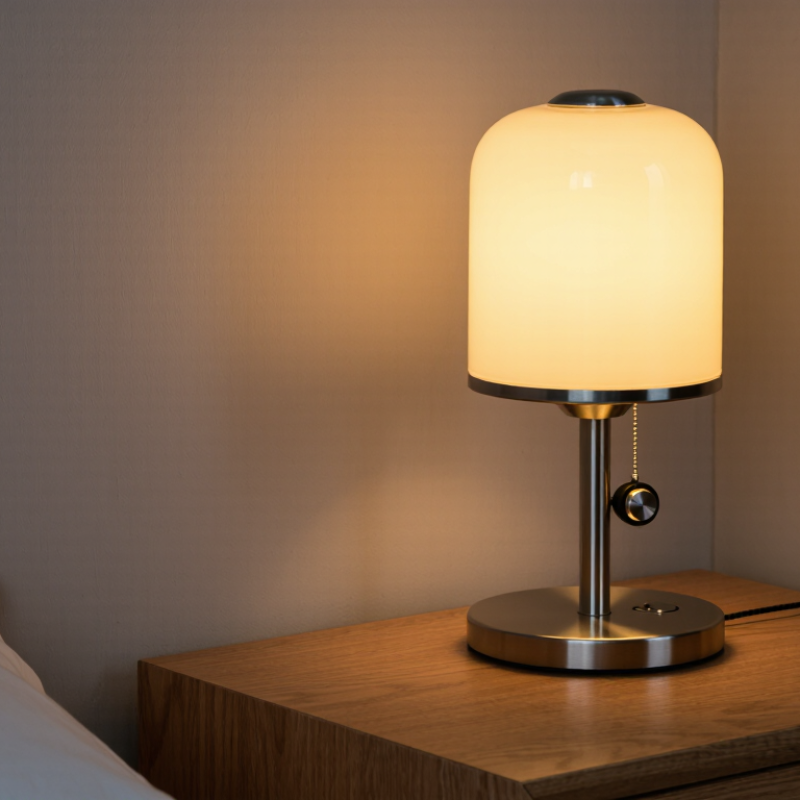
A warm light lamp produces a soft, yellowish glow, usually between 2700K and 3000K. The “K” means correlated color temperature, not heat. Lower values create a more amber appearance. Higher values look whiter and sharper. In homes, hotels, and restaurants, warm light often makes wood, fabric, and skin tones appear more comfortable. It can also reduce the harsh feeling of bright white light during evening use.
This color effect comes from the lamp’s spectral output and diffuser design. Professional lighting measurements follow frameworks described in CIE 015:2018. However, color temperature alone cannot describe comfort. Glare, flicker, brightness, and color rendering matter too. I have seen a 2700K lamp feel unpleasant when its diffuser was poor. The number was right. The experience was not.
Energy performance also affects global purchasing decisions. The U.S. Department of Energy reports that LED lamps use at least 75% less energy and last up to 25 times longer than incandescent lamps. The International Energy Agency has reported that lighting represents about 15% of global electricity consumption. A warm LED lamp can therefore combine relaxed evening illumination with lower operating demand. Buyers should still check lumen output, CRI, voltage, plug standards, and dimmer compatibility. Warm does not always mean efficient.
Why Choose a Warm Light Lamp for Global Buyers? - What Is a Warm Light Lamp?
A warm light lamp produces a soft yellow-to-amber glow, commonly used to create a comfortable and relaxing atmosphere in residential, hospitality, and decorative lighting applications.
| Data Dimension | Typical Warm Light Lamp Data | What It Means | Why It Matters to Global Buyers |
|---|---|---|---|
| Color Temperature | Approximately 2,200–3,000 K | Produces a yellow, golden, or amber-toned appearance rather than a bluish-white appearance. | Suitable for bedrooms, living rooms, restaurants, hotels, lounges, and decorative spaces. |
| Common Color Categories | Extra warm: 2,200–2,700 K Warm white: 2,700–3,000 K |
Lower Kelvin values appear more amber; higher values appear cleaner and less yellow. | Helps buyers select the appropriate appearance for different markets and interior styles. |
| Color Rendering Index | CRI 80 or higher for general lighting; CRI 90 or higher for enhanced color quality | CRI indicates how naturally objects appear under the lamp compared with a reference light source. | High-CRI options are useful for hospitality, retail displays, artwork, dining areas, and premium interiors. |
| Typical LED Efficacy | Approximately 80–120 lumens per watt | Indicates how much visible light is produced for each watt of electrical power consumed. | Supports energy-efficient product selection while maintaining the desired warm appearance. |
| Common Brightness Range | About 400–1,600 lumens for household lamps | Brightness depends on the lamp’s power, design, diffuser, and intended application. | Provides options for accent lighting, bedside use, general room lighting, and commercial installations. |
| Typical LED Power Range | Approximately 4–15 W for many household lamps | Lower wattage can provide useful brightness when efficient LED technology is used. | Reduces operating costs and may simplify energy-efficiency compliance in different regions. |
| Expected LED Service Life | Approximately 15,000–50,000 hours, depending on design and operating conditions | Service life is affected by heat management, driver quality, usage time, and ambient temperature. | Long service life can reduce replacement frequency, maintenance work, and total ownership cost. |
| Energy Saving Compared with Incandescent Lamps | LED lamps commonly use about 80–90% less electricity for similar light output | LED technology converts more electrical energy into light and produces less waste heat than incandescent technology. | Useful for buyers focused on electricity costs, sustainability targets, and energy regulations. |
| Atmosphere and Visual Comfort | Soft, cozy, relaxing, and visually gentle | Warm light is associated with evening environments and can make materials such as wood, fabric, and warm-colored finishes appear richer. | Improves the perceived comfort and ambience of hospitality, residential, and leisure environments. |
| Recommended Applications | Bedrooms, living areas, dining rooms, hotels, restaurants, cafés, lounges, and decorative fixtures | Warm light is generally preferred where ambience and relaxation are more important than high-alertness task lighting. | Enables buyers to match lamp specifications with diverse residential and commercial project requirements. |
| Electrical Compatibility | Common household voltage options include 100–127 V and 220–240 V AC | Voltage requirements vary by country and electrical system. | Buyers should confirm rated voltage, frequency, plug type, dimmer compatibility, and applicable safety requirements before ordering. |
| Dimming Compatibility | Available in dimmable and non-dimmable versions | A dimmable lamp must be matched with a compatible dimmer and suitable LED driver. | Important for hospitality projects, mood lighting, residential upgrades, and markets where dimming is expected. |
Buyer Note: Actual performance varies by lamp construction, LED package, driver, enclosure, ambient temperature, voltage, and testing method. Always check the product’s rated voltage, lumen output, CCT, CRI, power consumption, dimming capability, and required conformity markings for the destination market.
Related Posts
-
Best Warm Light Lamp for Cozy Home Ambiance?
-

Choosing the Right Manufacturer for the Best Sunlight Light Products
-

How to Choose the Best Sleep Light for Better Rest?
-

Innovative Applications of the Best Sunlight Lamp in Agriculture Boosting Crop Yield and Sustainability
-
The Ultimate Guide to Choosing the Best LED Light Lamp for Your Home Decor
-
Unlocking the Power of Sunshine Light 5 Best Benefits for Your Home and Wellbeing