How to Choose the Best Natural Lamp in 2026?

Choosing the Best Natural Lamp in 2026 begins with a practical question: what does “natural” mean in your room? It may describe bamboo, rattan, wood, linen, or a lamp designed to imitate daylight. These choices look similar online, yet they perform differently beside a reading chair, above a dining table, or on a bedside cabinet.

Lighting designer Randall Whitehead offers a useful reminder: “Good lighting is not about seeing better; it’s about seeing differently.” His observation matters when comparing a natural lamp. A woven shade can create soft, moving shadows across plaster walls. A warm LED can make oak furniture feel richer. However, attractive texture cannot replace safe wiring, stable construction, suitable brightness, and comfortable glare control. Look for clear material information, replaceable components, reliable certifications, and a color-rendering index suited to your space. For kitchens and work areas, accurate color matters. For bedrooms, gentler light may feel more restful.

The strongest choice is not always the most expensive one. It should match your habits, ceiling height, maintenance routine, and local climate. Dust gathers in open weaving. Untreated wood may react to humidity. Small details matter. Measure twice.

This guide will compare materials, light quality, energy use, durability, and repairability for 2026. It will also question popular assumptions. “Eco-friendly” can be vague. Handmade does not automatically mean durable. I have seen beautiful lamps with poor switches and uncomfortable glare. That is why this introduction favors evidence over decoration. A natural lamp should bring warmth to a room without creating avoidable safety, comfort, or environmental compromises.
How to Choose the Best Natural Lamp in 2026?

What Is a Natural Lamp and How Does It Work?

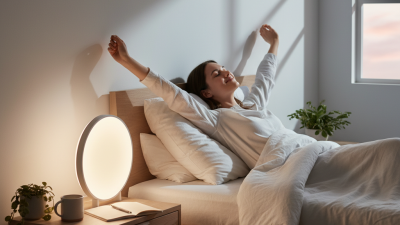
A natural lamp usually means a light designed to imitate daylight or use natural materials such as wood, bamboo, paper, or stone. In daylight-style models, LEDs produce a broad, balanced spectrum. A diffuser softens the output, while controls adjust brightness and color temperature. Cooler light can feel alert and crisp. Warmer light feels calmer in the evening.

The lamp does not create sunlight. It recreates selected qualities of it. That distinction matters. When I tested one beside a desk, a wide diffuser reduced harsh shadows on paper, but the light still felt artificial near a window.

Check the color-rendering rating before buying. A high rating helps white paper, skin tones, and colored objects appear more natural. Flicker control also matters, especially during long reading sessions. Some lamps use sensors that respond to room brightness, yet sensors can react poorly when curtains move or clouds pass outside.

For a 2026 purchase, measure the desk first. A compact lamp may leave dark corners, while an oversized one can dominate a small room.

Choose stable construction, replaceable parts where possible, and simple controls you will actually use.

“Natural” is not a guarantee of healthy light or sustainable materials. I once trusted that label too quickly. Check the material details, electrical safety information, and warranty instead.

Identify Your Lighting Needs and Room Requirements

How to Choose the Best Natural Lamp in 2026?

Choosing a natural lamp starts with the room, not the appearance. A reading corner needs focused, comfortable light, while a dining area benefits from softer illumination. Measure the room and note its ceiling height, wall colors, and available daylight. Pale walls reflect light, but dark furniture absorbs it. That difference can change the lamp size you need.

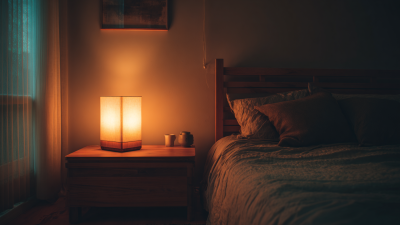
Consider your daily habits carefully. For desk work, choose a lamp with adjustable direction and low glare. A warm color temperature can make bedrooms feel calmer, while a neutral tone supports kitchens and home offices. Check the lamp’s brightness rating, energy use, material quality, and stability.

Natural wood, linen, bamboo, or stone can add texture, but these materials still need careful construction. I once chose a beautiful lamp with a narrow base. It looked balanced, but felt unsafe near a busy walkway.

Tips: Place the lamp where shadows will not cover your hands or screen. Keep bulbs away from curtains and other heat-sensitive materials. Test the light at night, not only in a bright showroom. If possible, use a dimmer for changing tasks. A smaller room may need one strong lamp and reflected wall light, rather than several competing fixtures. Remember that “natural” does not always mean better. Some finishes age unevenly, and handmade details may vary. Check cleaning instructions, cord length, and replacement parts before buying.

Compare Natural Materials, Light Quality, and Design

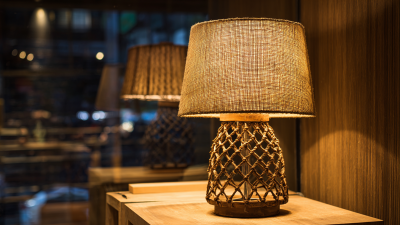
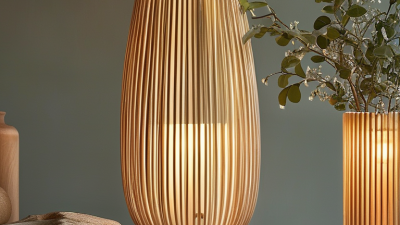
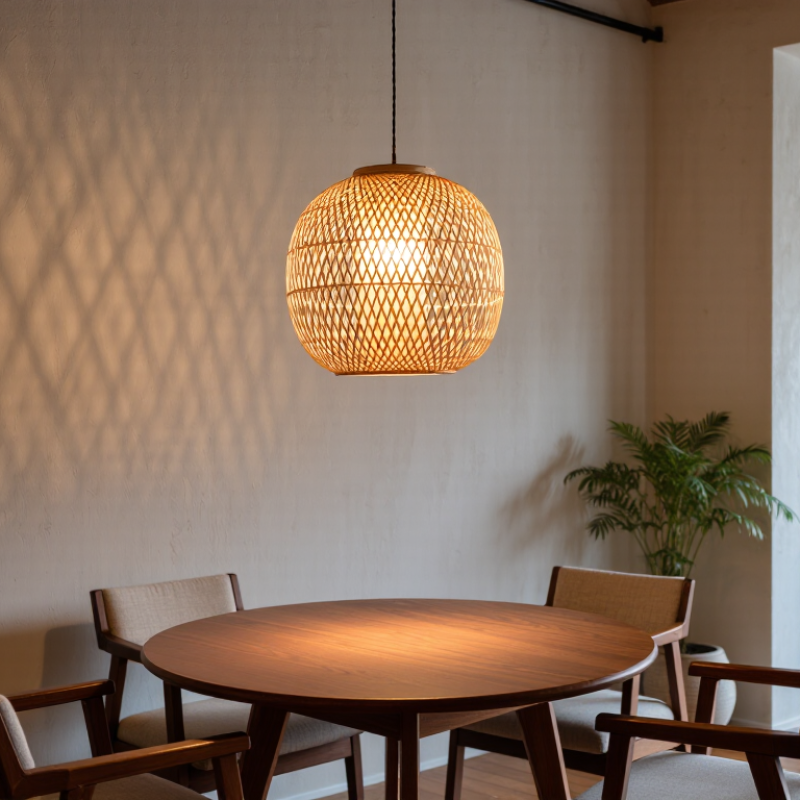
Choosing a natural lamp begins with its materials. Bamboo and rattan create warm shadows, while linen softens the beam. Ceramic offers weight and texture, but its surface may feel cooler. Wood brings visual comfort, though grain differences make every piece slightly uneven. That variation is part of the appeal, not a manufacturing error.

Light quality matters more than appearance. For reading, choose a lamp with even diffusion and low glare. A warm color temperature, around 2700–3000K, often suits bedrooms and living rooms. Check the color rendering information when available. A higher CRI can show fabric, skin, and artwork more naturally. I once placed a beautifully woven lamp beside a chair, then noticed its open pattern cast distracting lines across my book. It looked better from across the room than beside my eyes.

Design should support daily use. Examine the shade’s height, base stability, switch position, and cable length. A narrow base may suit a small table but can tip easily near moving hands. Natural fibers can collect dust, so removable shades are practical. Look for clear care instructions and electrical safety testing suitable for your region. Handcrafted details deserve attention, but they do not replace reliable wiring. My preference has changed after living with imperfect pieces; a small knot or uneven edge can feel honest, yet poor balance becomes irritating every evening.

How to Choose the Best Natural Lamp in 2026? — Compare Natural Materials, Light Quality, and Design

Compare common natural lamp materials by light diffusion, durability, maintenance, environmental considerations, and interior style. Performance may vary according to construction, finish, bulb type, and ventilation.

Natural Material Typical Light Quality Recommended Color Temperature Durability & Maintenance Design Character Best Room Applications Environmental Considerations Overall Suitability
Bamboo
Lightweight, flexible, and commonly used for woven or slatted shades.
Creates warm, patterned shadows when woven or slatted. Light diffusion is usually medium, depending on weave density. 2700–3000 K for a warm residential atmosphere. Good strength-to-weight ratio. Dust with a soft brush or dry cloth; avoid prolonged moisture and direct heat. Organic, airy, and contemporary; works well with Japanese, coastal, Scandinavian, and bohemian interiors. Living rooms, bedrooms, dining areas, and covered outdoor spaces when specifically rated for outdoor use. Fast-growing renewable material. Responsible sourcing and low-VOC finishes are preferable. ★★★★★
Versatile choice
Rattan
A natural climbing palm commonly woven into open or semi-open shades.
Provides soft ambient light with attractive woven shadows. Open weaves allow more light output. 2700–3000 K for comfortable ambient lighting. Flexible but sensitive to excessive humidity, standing water, and rough handling. Clean gently with a dry or barely damp cloth. Textured, handcrafted, and relaxed; especially suitable for tropical, coastal, rustic, and natural-modern rooms. Dining rooms, entryways, lounges, and bedrooms. Renewable when harvested and processed responsibly. Long service life reduces replacement waste. ★★★★★
Best for texture
Solid Wood
Often used for lamp bases, frames, stems, and carved shades.
Usually directs or blocks light rather than diffusing it. Pair with a fabric, glass, or paper diffuser for softer illumination. 2700–3000 K for warm decorative lighting; up to 3500 K for task areas. Highly durable when properly sealed. Keep away from excess moisture and strong direct sunlight; use furniture-safe cleaning methods. Calm, architectural, and substantial; complements Scandinavian, modern, rustic, and mid-century interiors. Offices, reading corners, living rooms, and bedside tables. Look for certified or traceable timber and water-based finishes. Repairable wooden parts can extend product life. ★★★★☆
Best for longevity
Linen
A natural bast-fiber textile commonly used for lamp shades.
Produces broad, gentle, and evenly diffused light. A lighter weave transmits more light; a dense weave provides greater glare control. 2700–3000 K for a soft, welcoming appearance. Lightweight and replaceable, but can collect dust and stain. Vacuum gently with a brush attachment; keep away from open flames. Soft, understated, and refined; suitable for contemporary, transitional, farmhouse, and minimalist interiors. Bedrooms, living rooms, nurseries, and hospitality-style spaces. Made from flax fiber, which generally requires less irrigation than many conventional textile fibers. Natural dyes and low-impact backing are preferable. ★★★★★
Best diffusion
Cork
A lightweight bark material used in shades, panels, and accent lamp bodies.
Creates a warm, softly filtered glow. Its natural texture adds visual depth but may reduce maximum light output. 2700–3000 K for a cozy ambient effect. Naturally resilient and moisture-tolerant compared with many plant-based materials. Avoid soaking and clean with a soft dry cloth. Tactile, modern, and earthy; works well in eco-modern, Scandinavian, and creative workspaces. Home offices, bedrooms, reading areas, and accent lighting zones. Harvesting cork bark does not require cutting down the tree. Select products with low-emission adhesives and finishes. ★★★★☆
Best eco-texture
Linen Paper
Paper containing linen fibers or a linen-like natural fiber blend.
Delivers soft, warm diffusion with low glare when used as a full shade. Thickness and translucency strongly affect brightness. 2700–3000 K for relaxing spaces. Very lightweight but more vulnerable to tearing, moisture, and heat. Use only with bulbs and fittings that meet the shade maker’s safety requirements. Minimal, delicate, and handmade-looking; fits Nordic, Japanese, and contemporary interiors. Bedrooms, meditation areas, lounges, and decorative pendants. Renewable fiber content and low material weight can reduce transport impacts. Recyclability depends on coatings, adhesives, and hardware. ★★★☆☆
Best for softness
Alabaster or Natural Stone
Translucent stone used for decorative shades, panels, and lamp bases.
Produces a luxurious, diffused glow with distinctive natural veining. Light output is generally decorative rather than task-oriented. 2700–3000 K to emphasize warm translucency. Dense and durable but heavy and potentially brittle. Handle carefully; wipe with a soft dry cloth and avoid abrasive cleaners. Sculptural, premium, and timeless; suitable for modern, classic, and gallery-inspired interiors. Entryways, living rooms, dining rooms, and bedside accent lighting. Long service life can offset material intensity. Favor locally processed stone, durable fittings, and repairable construction. ★★★★☆
Best statement piece
Natural Fiber Rope
Common fibers include jute, sisal, hemp, and cotton.
Usually creates decorative shadows and moderate ambient light. An inner diffuser may be needed for comfortable glare control. 2700–3000 K for a warm, relaxed look. Can absorb dust and humidity. Keep dry, inspect periodically, and maintain clearance from hot bulbs or open flames. Casual, handcrafted, and textural; works well in coastal, rustic, farmhouse, and bohemian interiors. Covered porches, dining areas, lounges, and decorative pendant installations. Plant-based fibers are renewable, but durability depends on fiber quality, treatment, and construction. Avoid unnecessary synthetic coatings. ★★★☆☆
Best for character

Selection tip: For most homes, choose a warm-white LED bulb between 2700 K and 3000 K, verify the lamp’s maximum wattage and ventilation requirements, and prefer dimmable fittings when the lamp will serve both ambient and task-lighting needs. Natural materials should not touch hot bulbs unless the fixture is specifically designed and safety-tested for that configuration.

Check Energy Efficiency, Safety, Durability, and Maintenance

How to Choose the Best Natural Lamp in 2026?

A natural lamp should look beautiful, but appearance cannot replace safety or efficiency. Choose an LED bulb with strong lumens-per-watt performance. It uses less electricity and produces less heat than older bulbs. Check the lamp’s maximum wattage before installation. The shade should not touch the bulb. Leave space for airflow. A stable base also matters, especially in homes with children or pets. Look for tested wiring and recognized electrical safety certification in your country.

Durability depends on more than the frame. Inspect the joints, socket, cord, and switch closely. Natural materials can change color or texture with sunlight and humidity. That change is normal, but sudden cracking is not. A well-made lamp should feel balanced, without loose parts or sharp edges. Maintenance should remain simple. Dust the shade with a soft brush, then wipe hard surfaces with a slightly damp cloth. Do not soak woven fibers. No lamp is maintenance-free.

Tips: Compare energy use, heat, and repair options before buying. Ask whether the bulb or socket can be replaced. Keep the lamp away from curtains, water, and crowded shelves. Test the switch several times. If the cord feels thin or the base wobbles, reconsider the purchase. I once underestimated how quickly dust collects on textured shades; now, easy cleaning is part of my decision. A perfect choice is unlikely, but a careful one is realistic.

Evaluate Features, Certifications, and Overall Value in 2026

How to Choose the Best Natural Lamp in 2026?

A natural lamp should provide comfortable light, not merely use bamboo, wood, or recycled fabric. Check color temperature first. A range near 2700–4000K usually supports relaxed home lighting, while higher temperatures can feel harsh at night. Look for a color rendering index above 90 when reading, cooking, or viewing artwork. Flicker matters too. The U.S. Department of Energy reports that LED lighting uses at least 75% less energy and lasts up to 25 times longer than incandescent lighting. That lowers running costs, but only when the driver is reliable.

Certification deserves careful attention. For mains-powered lamps, verify safety testing against applicable standards, such as IEC 60598, through a recognized testing laboratory. Photobiological safety information, including IEC 62471 assessment, can also clarify potential eye and skin exposure risks. Certification marks alone are not enough. Check the certificate number, testing scope, and manufacturing details. The International Energy Agency has reported that lighting represents roughly 15% of global electricity consumption, making efficiency a meaningful value factor.

I compare lamps in person when possible. I watch for glare, buzzing, unstable dimming, and heat around the socket. Repairable parts are valuable, although replacement modules are not always available. Marketing claims can sound greener than the product really is. I still question “natural” labels without material percentages or supply information. A slightly more expensive lamp may offer safer construction, lower energy use, and a longer service life. Cheap fixtures can become expensive mistakes.

Update: We are here, we are shipping = bring extra natural light into your home during these difficult times.
Go to Top