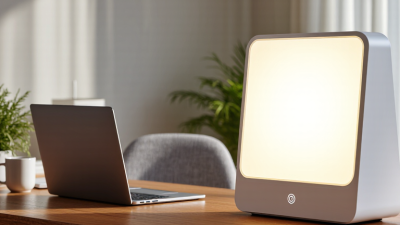
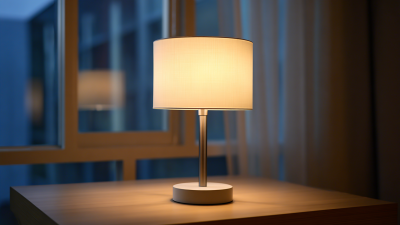
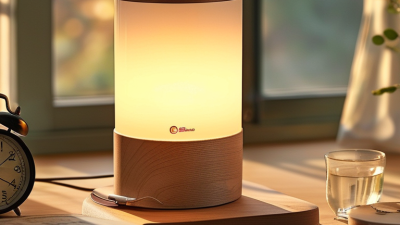
A sunlight lamp is an electric device designed to imitate selected qualities of outdoor daylight. It usually produces bright, white light without ultraviolet radiation. Unlike a tanning lamp, it should not brown skin or expose users to unnecessary UV. The central question is practical: how can a small panel influence the body’s daily timing?
The National Institute of Mental Health reports that seasonal affective disorder affects about 5% of adults in the United States. For some people, reduced winter daylight may disturb mood, sleep, and energy. A clinically designed sunlight lamp commonly provides 10,000 lux at a specified distance. That brightness is far stronger than ordinary room lighting. The user typically sits nearby with eyes open, while avoiding direct staring into the panel. Small details matter. Distance changes the delivered brightness dramatically.
The mechanism involves light-sensitive retinal cells, including intrinsically photosensitive retinal ganglion cells. These cells send timing information toward the brain’s circadian system. The signal can influence melatonin timing and alertness. The International Commission on Illumination has also emphasized melanopic light, which better describes light’s biological effect than brightness alone. Still, a sunlight lamp is not a universal cure. Evidence is stronger for some seasonal depression symptoms than for general tiredness. Timing, intensity, spectrum, and personal health conditions all matter. I should admit one limitation: product labels can make “daylight” sound more precise than it is. A trustworthy evaluation should check measured lux, UV filtering, safety testing, and independent clinical guidance. For people with eye disease, bipolar disorder, or medication-related light sensitivity, professional advice is sensible before use.
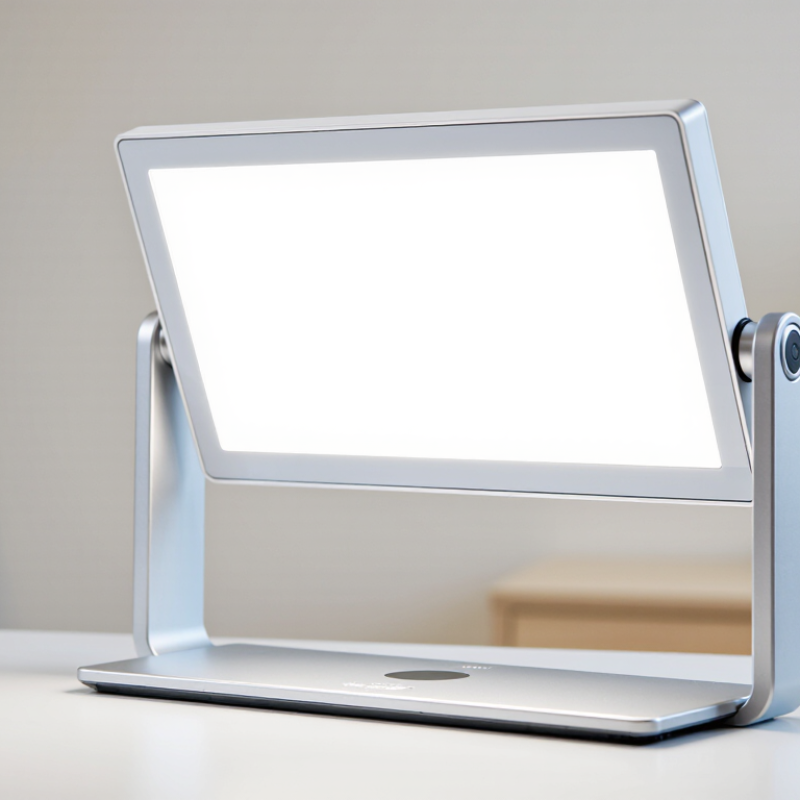
A sunlight lamp is an electric light designed to resemble the brightness and color of daytime. Its core purpose is to provide strong indoor illumination when natural daylight is limited. Many models support light therapy by delivering bright, visible light to the eyes. They do not recreate every quality of the sun.
A typical therapy lamp may provide about 10,000 lux at a specified distance. Lux measures light reaching a surface, not the lamp’s wattage. During use, a person usually sits nearby with the light angled toward the face, without staring directly into it. This exposure may help regulate circadian rhythms and support mood during darker seasons. Research suggests benefits for some people, but results vary.
A sunlight lamp should not be assumed to create vitamin D. Most light therapy devices filter out ultraviolet radiation, which is the part of sunlight linked to vitamin D production. Products that emit ultraviolet light require different safety considerations and should not be treated as ordinary therapy lamps. This distinction is often overlooked.
In practical use, timing matters. Morning exposure is commonly recommended, while late-evening use may disturb sleep. People with eye conditions, bipolar disorder, or light-sensitive medication should seek medical advice before use. Following the stated distance and duration is important. More brightness is not always better.
A sunlight lamp imitates key qualities of daylight with controlled artificial light. Its main component is the light source, often an LED array or fluorescent tube. LEDs use less energy and produce less surface heat. They can also provide stable brightness for long periods. Fluorescent systems may spread light smoothly, but they need more internal space and electronic control gear.
The lamp’s diffuser softens harsh points from individual LEDs. This creates a wider, more comfortable beam across a desk or chair. A heat sink pulls warmth away from the LED board. Without proper cooling, brightness and lifespan may decline.
The power supply converts household electricity into a steady current. Some models add timers, dimmers, touch controls, or light sensors. These features sound minor. They affect daily comfort.
Cooler white light may feel closer to a bright morning sky, while warmer light feels calmer. A high color-rendering rating helps objects appear more natural. However, numbers can mislead when the lamp has uneven brightness across its panel. A useful check is simple: place a book beneath the center and edges, then compare the text and shadows. Look for low-flicker performance and clear safety information. Avoid assuming “full spectrum” means medically beneficial. It usually describes the lamp’s visible light output, not a guaranteed health effect. Some sunlight lamps exclude ultraviolet radiation, which is generally preferable for ordinary indoor use.
A sunlight lamp is a device designed to imitate the brightness of outdoor daylight. Its main effect comes from intense, visible light reaching the eyes, not from warming the skin. Many models use LEDs or fluorescent tubes to create a bright, even field. A suitable lamp may provide around 10,000 lux, while an ordinary room often provides only 100 to 500 lux.
How does this brightness work? Specialized light-sensitive cells in the retina send signals to the brain’s circadian clock. This system helps regulate sleep, alertness, and daily hormone patterns. Morning exposure can reduce melatonin production and encourage daytime wakefulness. Timing matters. Evening use may delay sleep for some people. The response also varies with season, eye sensitivity, medication, and individual biology. The science is useful, but not perfectly predictable.
Tips: Place the lamp slightly to one side, about an arm’s length away, and keep your eyes open without staring directly at it. Follow the device instructions, often for 20 to 30 minutes in the morning. Choose a model that clearly states its light intensity and UV protection. People with eye conditions or those using light-sensitive medication should ask a qualified healthcare professional first. Stop if you develop headaches, eye strain, agitation, or unusually reduced sleep. A lamp is not a replacement for proper medical care.
| Dimension | Key Information | How It Produces Its Effect | Practical Consideration |
|---|---|---|---|
| Basic Definition | A sunlight lamp is an artificial light source designed to provide bright, daylight-like illumination indoors. | It increases exposure to visible light when natural daylight is limited, such as during dark mornings, winter months, or indoor work. | The term may describe different products, so the lamp’s intended purpose and technical specifications should be checked. |
| Main Light Output | Most light-therapy devices use visible white light, commonly designed to resemble daylight in appearance. | Visible light enters the eyes and activates light-sensitive retinal pathways that send signals to the brain’s biological-clock system. | Brightness, distance, exposure time, and the user’s viewing angle all affect the amount of light received. |
| Typical Illuminance | Bright-light therapy devices are often designed around approximately 10,000 lux at a specified distance. | Lux measures illuminance—the amount of visible light reaching a surface. Higher lux can provide a target light dose in less time. | A lamp rated at 10,000 lux may provide much less light when placed farther away. Always follow the stated distance and instructions. |
| Circadian Rhythm | The circadian rhythm is the body’s roughly 24-hour cycle governing sleep, alertness, hormone activity, and other functions. | Morning exposure to bright light can help provide a timing signal that influences the sleep–wake cycle and daily alertness. | Timing is important. Evening exposure may be stimulating for some people and can interfere with sleep. |
| Melatonin Connection | Melatonin is a hormone associated with darkness and the body’s preparation for sleep. | Bright light reaching the eyes can suppress melatonin production during exposure, particularly when used at biologically sensitive times. | This does not mean a sunlight lamp should be used to treat sleep problems without professional guidance. |
| Alertness and Mood | Bright light can increase daytime alertness and may support mood for some people, especially when daylight exposure is low. | Light affects brain pathways involved in circadian timing and arousal, producing a non-visual biological response in addition to ordinary vision. | Results vary by person. A lamp is not a guaranteed treatment for depression or other medical conditions. |
| Color Temperature | Color temperature is measured in kelvins (K) and describes whether light appears warmer or cooler. | Higher color temperatures generally look cooler or more bluish, while lower values look warmer or more yellow. | Color temperature affects visual appearance, but it does not by itself indicate the lamp’s total brightness or therapeutic effectiveness. |
| Visible Spectrum | The visible spectrum is the portion of electromagnetic radiation detectable by the human eye, approximately 380–700 nanometres. | Photoreceptors in the retina respond to visible light and transmit information used for both vision and circadian regulation. | A lamp can look bright while still having a different spectral distribution from outdoor sunlight. |
| Blue-Light Component | Many daylight-like lamps contain some short-wavelength visible light, often perceived as blue or cool light. | Short-wavelength light can strongly influence circadian photoreception, particularly during the evening or nighttime. | Excessive late-night exposure may make it harder for some people to fall asleep. Brightness and timing matter as much as color. |
| UV Radiation | Standard bright-light therapy lamps are generally intended to filter out ultraviolet (UV) radiation. | The desired effects come from visible light rather than UV exposure. UV is not required for ordinary indoor bright-light therapy. | Do not assume every device is UV-free. Check the safety information, especially for lamps marketed for tanning or skin exposure. |
| Eye Exposure | Light-based effects are mediated through the eyes, but the lamp should not be stared at directly. | Light entering the visual field can stimulate retinal pathways without requiring continuous direct gaze. | Place the lamp beside or slightly in front of the user, according to its instructions, and stop use if significant eye discomfort occurs. |
| Distance and Dose | Light intensity decreases as the user moves farther from the source. | A closer position usually delivers more lux, while a farther position delivers less. The exposure dose depends on both intensity and duration. | Use the manufacturer’s specified distance and session length rather than estimating from the lamp’s appearance. |
| Common Session Pattern | A commonly studied approach is a morning session lasting around 20–30 minutes at approximately 10,000 lux. | This schedule can provide a strong daytime timing cue while limiting the duration of exposure. | Individual needs differ. People with eye conditions, bipolar disorder, or photosensitizing medications should seek medical advice before use. |
| LED and Fluorescent Designs | Sunlight lamps may use light-emitting diodes (LEDs) or fluorescent tubes to produce bright visible light. | Both technologies convert electrical energy into visible light, but they differ in size, heat output, energy use, and spectral design. | Performance should be judged by measured lux at the stated distance, UV filtering, flicker characteristics, and usability—not by the light-source type alone. |
| Limitations | A sunlight lamp cannot fully reproduce outdoor sunlight, which also varies in spectrum, direction, intensity, and environmental context. | Its primary function is to provide controlled indoor visible-light exposure, not to recreate every physical or biological feature of daylight. | It does not provide vitamin D unless it emits UV, and UV-emitting products involve different safety considerations. |
| Safety Notes | Possible temporary effects include eye strain, headache, nausea, agitation, or difficulty sleeping. | These effects may result from excessive brightness, unsuitable timing, prolonged exposure, or individual sensitivity. | Follow product instructions, avoid direct staring, and consult a qualified healthcare professional when medical conditions or medications may increase light sensitivity. |
A sunlight lamp imitates bright outdoor light without producing meaningful ultraviolet exposure. Most therapeutic models provide about 10,000 lux, similar to a bright morning outdoors. Light enters the eyes and signals the brain’s circadian system. This can influence melatonin timing, alertness, and sleep patterns. It is not a replacement for natural daylight.
The most studied use is seasonal affective disorder, or SAD. The National Institute of Mental Health estimates that about 5% of U.S. adults experience SAD each year. Clinical guidance commonly uses 10,000 lux for around 20–30 minutes in the morning. Some people also use light therapy for winter tiredness, delayed sleep schedules, or difficult morning shifts. Benefits vary. The evidence is useful, but not magical. A lamp may improve energy while leaving low mood unchanged. That distinction matters.
Tips: Choose a lamp with verified brightness, and keep it near eye level without staring directly at it. Use it early in the day, following the manufacturer’s distance guidance. Track sleep, mood, headaches, and eye strain for two weeks. People with bipolar disorder, eye disease, or photosensitive medication should seek medical advice first. I would also avoid using it late at night. Bright light can shift the body clock in the wrong direction. This is where many casual routines fail.
Typical illuminance levels compared with common indoor and outdoor lighting conditions
Sunlight lamps, also called bright-light therapy lamps, produce a strong, cool-white light intended to imitate some characteristics of daylight. A commonly studied exposure level is approximately 10,000 lux when used at the distance specified by the device instructions. Bright light may help regulate the body’s sleep–wake rhythm and can support treatment for some forms of seasonal mood changes, although results vary and professional advice may be appropriate.
Values are representative illuminance levels: actual measurements vary with weather, room design, lamp distance, and surface reflectance. Sources: CIE lighting guidance, Illuminating Engineering Society recommendations, and clinical bright-light therapy literature.
A sunlight lamp produces bright visible light that imitates daytime conditions. It does not provide the same spectrum as natural sunlight. Many therapeutic models deliver about 10,000 lux, a level commonly used in seasonal affective disorder guidance from the National Institute of Mental Health. Users usually sit nearby during morning sessions, rather than staring directly into the light.
Safety depends on distance, exposure time, and spectrum. Choose a device clearly labeled UV-free, because ultraviolet radiation can injure skin and eyes. The International Commission on Non-Ionizing Radiation Protection explains that blue-light risk changes with wavelength, intensity, and duration. Brightness alone is not a complete safety measure. Keep the lamp at the stated distance, use a timer, and follow the manufacturer’s exposure schedule. Shorter sessions may be sensible at first.
People with eye disease, bipolar disorder, migraines, or light-sensitive conditions should seek medical advice before use. Certain medicines can also increase photosensitivity. Stop if headaches, eye strain, agitation, or sleep disruption develops. Do not use a lamp late at night; it may delay melatonin release and disturb sleep. I find this step easy to underestimate. More light is not automatically better. Clinical guidance from the NIMH supports morning use, but individual responses still vary. Professional follow-up matters when symptoms persist or intensify.