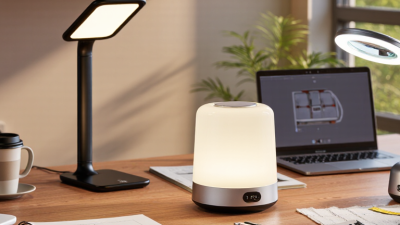
A warm light lamp can make a room feel softer, but “warm” is more than a cozy label. It usually describes a lower color temperature, often around 2,700 kelvin, that gives light a golden tone. The right choice still depends on the task. A bedside table needs different brightness and control than a desk used for reading.
Light also affects more than how a room looks. The International Commission on Illumination’s 2019 position statement recommends specific daytime, evening, and nighttime light exposure levels for healthy adults. These recommendations concern light reaching the eyes, not simply a bulb’s color temperature. So a warm bulb alone cannot guarantee better sleep. That distinction matters.
Energy use deserves a look, too. The U.S. Department of Energy says LED bulbs use at least 75% less energy and can last up to 25 times longer than incandescent bulbs. Actual performance varies by product and use. A label is useful, but it is not the whole story.
This guide compares 10 warm light lamps for home and office settings, with attention to color temperature, brightness, dimming, controls, and practical placement. Think of a lamp beside a paperback, or a focused pool of light across a work surface. Small details can change daily comfort. Some listings make comparison harder than it should be. That is worth keeping in mind. The best pick is not automatically the brightest or most expensive; it should suit your space, routine, and lighting needs.
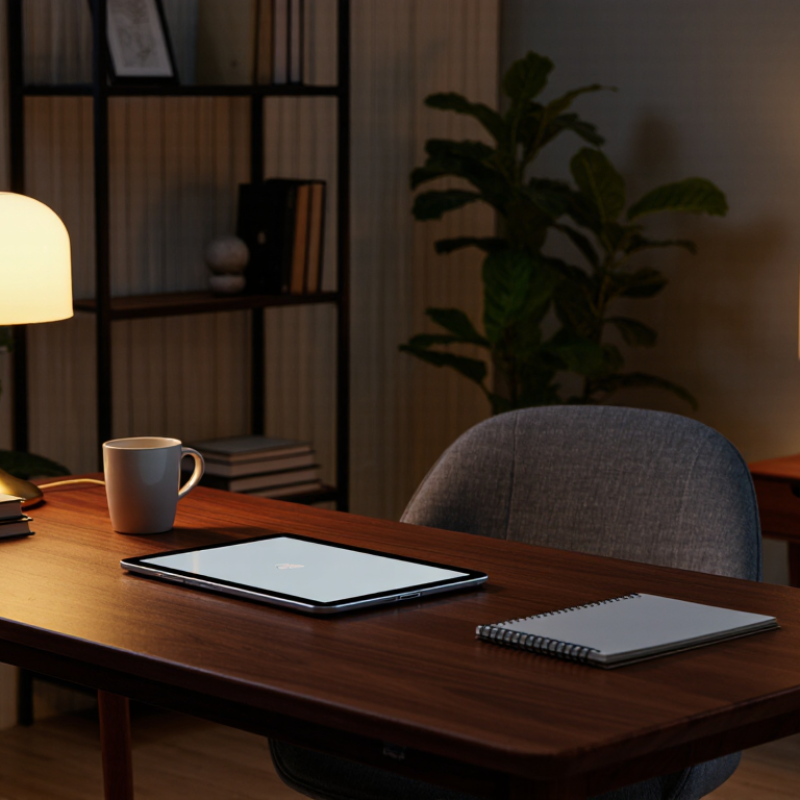
Warm light generally falls between 2,700 and 3,000 kelvin (K), a range describing a lamp’s correlated color temperature. Lower values tend to look more amber; values near 3,000 K appear slightly whiter while still feeling warm. The rating describes color, not brightness. A 2,700 K bulb can still be intense if its lumen output is high.
In a living room, a 2,700 K lamp can bring out honey-colored wood and soften the look of a reading corner. At a desk, 3,000 K may feel clearer without the cool, bluish cast associated with higher color temperatures. That matters. But the result depends on wall colors, lampshades, and nearby daylight, so the number alone cannot predict how a room will feel. Check the packaging for both kelvin and lumens, then consider a dimmable lamp if the space serves several purposes. A warm bulb may also render some colors differently from daylight. It is tempting to treat 2,700 K as universally relaxing, yet personal preference and task visibility vary. I would compare the lamp in its actual spot before choosing several for the whole room.
For a warm-light lamp, check the specifications before judging its glow. A color temperature near 2700–3000 K typically gives a familiar, soft appearance. For color accuracy, use CRI Ra 80+ as a practical starting point; the CIE’s color-rendering framework defines Ra as a measure of how light reveals colors compared with a reference source. This matters when checking clothing, reading printed pages, or choosing paint near a desk. A higher CRI can help, but it does not guarantee pleasing color in every room.
Dimming and efficiency matter just as much. Look for a lamp explicitly marked dimmable, then check that its instructions support your dimmer; some combinations flicker or buzz at low settings. The U.S. Department of Energy’s Energy Saver guidance says LEDs use at least 75% less energy than incandescent lighting and can last up to 25 times longer. Actual savings depend on wattage, hours of use, and dimming habits. The label deserves a closer look.
Tips: Compare lumens, not watts, for brightness. Test the lamp where you’ll use it: warm light can make a white wall look cream-colored. Keep receipts, too; product claims do not always match the feel of a real workspace.
Warm-light lamps differ in placement, beam shape, and control, not just appearance. A bulb near 2700K often feels cozy; around 3000K can look clearer while remaining warm. Check the bulb’s stated color temperature, brightness, and compatibility with dimmers. Small details matter.
A table lamp suits a sideboard or shared desk, while an adjustable desk lamp directs light onto paperwork. A floor reading lamp places light beside a chair without taking up table space. Torchiere lamps bounce light toward the ceiling, softening a room but offering less focused task lighting. Pendants provide overhead pools of light; wall sconces free up surfaces. Bedside lamps make nighttime reading convenient, though a shade can limit brightness. Clamp lamps attach to shelves or desk edges, useful in tight spaces. Under-cabinet lamps brighten counters or work surfaces. Portable rechargeable lamps can move between rooms, but their runtime varies.
For office work, aim the beam at the page rather than directly into your eyes or onto a glossy screen. A high color-rendering rating can help colors look more natural, especially when reviewing printed images. Test the lamp after dark; a warm bulb may still feel harsh if it is exposed or aimed poorly. I sometimes overestimate how much light one small lamp provides. Check the actual brightness before relying on it.
| Lamp Type | Typical Warm-Light Range | Best For | Key Advantages | Things to Consider |
|---|---|---|---|---|
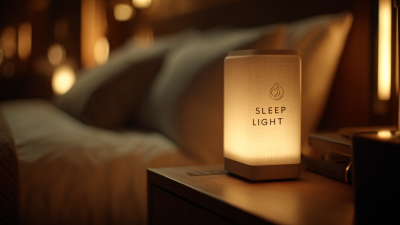
| Bedside Table Lamp | About 2200–3000 K | Bedrooms, reading before sleep, and soft ambient light | Compact, easy to position, and often compatible with dimmable bulbs. | Choose a shade that directs light away from the eyes; check that the bulb and lamp are compatible. |
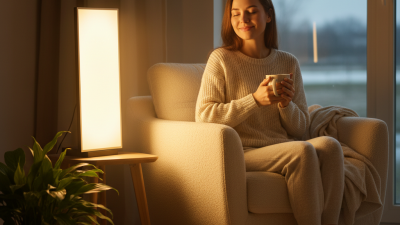
| Floor Lamp | About 2700–3000 K | Living rooms, reading corners, and spaces without convenient overhead lighting | Provides light at standing height and can illuminate a wider area than a small table lamp. | Needs floor space; an adjustable or multi-head design can offer more control over light direction. |
| Warm-White Desk Lamp | About 2700–3000 K | Home-office desks and focused work areas | Places light close to the work surface; many models offer adjustable arms or brightness settings. | Warm light may feel less crisp for detailed color work; position it to reduce screen glare and hand shadows. |
| Adjustable-Color Desk Lamp | Often adjustable from warm white to cooler white | Workspaces used for both relaxed tasks and detailed daytime work | Lets users select a warmer setting for a softer atmosphere and a cooler setting when desired. | Check the stated color-temperature range and whether brightness and color settings are independently adjustable. |
| Pendant Lamp | About 2200–3000 K | Dining tables, kitchen islands, and focused overhead lighting | Can create a defined pool of warm light and serve as a visible room feature. | Installation height and shade design affect glare and light spread; some installations require electrical work. |
| Wall Sconce | About 2200–3000 K | Hallways, bedrooms, and accent lighting in living areas | Frees up table and floor space; upward- or downward-facing designs create different lighting effects. | Light output depends on the shade and wall placement; hardwired models may require professional installation. |
| Warm LED Strip Light | About 2200–3000 K | Under cabinets, shelves, desks, and indirect accent lighting | Low-profile and flexible; useful for adding light under or behind furniture. | Use a suitable power supply and mounting surface; exposed strips can look harsh without a diffuser. |
| Clip-On Reading Lamp | About 2700–3000 K | Reading chairs, bunk beds, and compact work areas | Attaches to a nearby surface and directs light where it is needed without taking up much space. | Check the clip opening and stability; a narrow beam may not light a whole room. |
| Lantern-Style Accent Lamp | About 2200–2700 K | Entryways, shelves, and relaxed decorative lighting | Creates a soft, atmospheric glow and can be easy to move between locations. | Often intended for ambient rather than task lighting; verify indoor or outdoor suitability before use. |
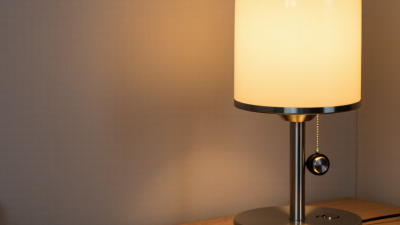
| Table Lamp with a Fabric Shade | About 2700–3000 K | Living rooms, offices, and side tables needing gentle ambient light | The shade diffuses light, helping create a softer effect than an exposed bulb. | Fabric shades can reduce brightness; use a bulb within the lamp’s specified wattage and temperature limits. |
Note: Color-temperature ranges are typical examples, not fixed specifications. Check the bulb or lamp packaging for its actual color temperature, brightness, dimming compatibility, and intended use.
A warm lamp can soften a home office, but comfort alone does not show whether a desk is bright enough. EN 12464-1 gives 500 lx as a maintained illuminance level for many office tasks, including reading and writing.
Lux measures light reaching a surface, not the bulb’s brightness. That distinction matters.
Check the desk where papers or a keyboard actually sit. A small lux meter can give a useful reading; phone apps are less dependable. Measure with daylight and other room lights in their usual settings. If the task area falls short, reposition the lamp or add light from another direction. Watch for glare on a monitor and hard shadows from your writing hand. More light is not always better.
Warm color describes the light’s appearance, while illuminance describes its level. They are separate choices. A warm-toned lamp can still provide adequate task lighting, though its shade and distance affect the result. I would adjust it, then check again after dusk. The setup may still feel a little uneven. That is worth noticing, especially if detailed work leaves your eyes tired.
Warm light can feel inviting, but color alone does not guarantee visual comfort. A shaded lamp usually softens the view of the bulb and reduces harsh brightness in your line of sight. At a desk, place it beside your writing hand, aimed toward the work rather than your eyes. Check for shiny reflections on screens, glossy paper, or a polished tabletop. Small shifts matter.
Flicker is harder to judge by eye. Some people notice discomfort or fatigue under certain flickering lights, while others do not. Look for clear flicker-performance information from the manufacturer, especially when choosing a dimmable lamp. A phone camera may show rolling bands, but it cannot reliably measure flicker or prove a lamp is comfortable. Trust documented specifications more than a quick camera test.
Placement changes throughout the day. A lamp that feels gentle at dusk may create glare when sunlight fades from one side of the room. Try it from your usual chair, then move it slightly and check the shade, bulb, and screen reflections. This takes a minute. I still find it easy to overlook the reflection on a pale wall; comfort is not always obvious from the product photo.